
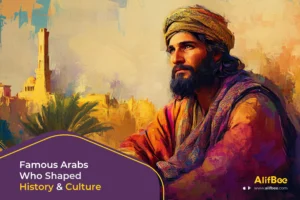
Arabic Culture
Famous Arab People Who Shaped History and Culture
Explore famous Arab people & their impact! Discover how Arab figures shaped history & culture. Learn about influential Arab Americans.
First, let me start by wishing you a very happy Eid Al-Fitr, or Eid Mubarak عيد مبارك.
Second, let me tell you more about this special occasion.
When Eid Al-Fitre comes, Muslims rejoice to have completed the fasting ritual and practice several traditions that reflect their joy.
In this article, I will take you through the 6 most common practices that have become representative of Eid Al-Fitr in many Muslim countries.
We will talk about Eid prayer, visiting relatives, wearing new clothes, preparing sweets, taking children to amusement parks, and visiting the graves of the departed loved ones.
صلاةُ العيدِ
Ṣlātu alʻyd
The Eid prayer is a special prayer that signifies the end of Ramadan and the beginning of Eid day. It is usually performed in a large congregation and consists of two Rak’ahs ركعة (units of prayers) and is followed by a sermon (خُطبة). This practice symbolizes unity, and it’s a communal demonstration of Muslims’ faith and devotion to God.
زيارةُ الأقارِبِ
Zyārtu alʼqārib
Eid Al-Fitr strengthens family bonds and community ties. Muslims visit their relatives to celebrate the day, exchange greetings and often share meals. These visits are a way to nurture relationships, forgive any past grievances, and express love and appreciation among family members.
اِرتداءُ المَلابِسِ الجَديدةِ
Irtdāʼu almalābisi aljadydt
Wearing new clothes on Eid is a tradition that symbolizes cleanliness, renewal, and festivity. It is a joyous expression of gratitude towards God for all His blessings. For many, especially children, selecting Eid outfits is an eagerly anticipated part of the celebration.
زيارةُ مَدينةِ الألعابِ لِلأطفالِ
Zyārtu madynti alʼlʻābi lilʼṭfāl
Eid is also a celebration for children who look forward to going out and enjoying various entertainments, including amusement parks. This tradition brings joy and fun to children’s lives, making Eid a memorable occasion.
تَحضيرُ حَلوَياتِ وضيافةِ العيدِ
Taḥḍyru ḥalwayāti waḍiyāfti alʻyd
Special sweets and dishes are prepared and shared with family, friends, and neighbors on Eid. Foods like Maamoul (معمول), a date or nut-filled pastry, and other traditional sweets are common. This practice showcases the generosity and hospitality that is central to Islamic culture, fostering a sense of community and shared celebration.
زِيارةُ القُبورِ
Ziyārtu alqubwr
Some Muslims visit the graves of their departed loved ones, offering supplications, seeking mercy for them from Allah, and reciting Surat Al-Fatiha. This act is a reminder of the transient nature of life and the importance of cherishing and valuing time with loved ones. It’s also a way of connecting with those who have passed away and including them in the prayers and blessings of Eid.
If you liked this blog and felt interested in learning more about the Arabic Language, we invite you to learn more through our unique learning app.
The app offers a wide range of exercises tailored to suit all skill levels and includes quick lessons prepared by our language experts, and daily scenarios rich with Arabic culture. The app also features live statistics for easy and insightful progress tracking.
Are you interested in reading more blogs about Ramadan? Check out our blog on Ramadan rituals and what they mean here.





Explore famous Arab people & their impact! Discover how Arab figures shaped history & culture. Learn about influential Arab Americans.
Discover 10 beautiful Arabic quotes about women, their meanings, and cultural significance. Perfect for International Women’s Day
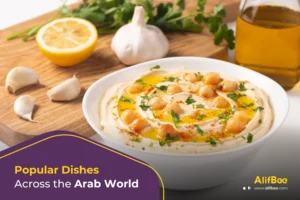
Discover a clear list of popular Arabic food names, including famous dishes from the Middle East, their origins, and cultural meaning.
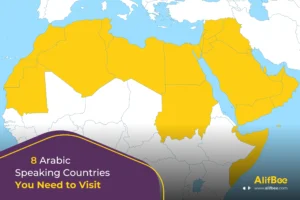
Discover the best Arabic speaking countries to visit for culture, travel, and language immersion. Find out which Arab countries are worth visiting as a tourist