

Arabic speaking countries are places where Arabic is the official or dominant language used in schools, media, government, and daily life. You may see Modern Standard Arabic on signs, but spoken dialects change from one country to another across the Arabian world.
In 2026, Arabic-speaking countries continue to rank among the world’s greatest travel experiences across the Middle East and North Africa. They become more accessible, more welcoming, and more rewarding than ever.
This guide looks at the 8 best Arabic-speaking countries you need to visit in 2026, with a focus on travel value, cultural immersion, and real-world Arabic usage. It’s for travelers and Arabic learners who want to hear Arabic spoken naturally in cafés, souks, taxis, and everyday life.
Why Visit Arabic-Speaking Countries to Learn Arabic?
Traveling to Arabic-speaking countries gives you direct access to culture through language. When you hear Arabic spoken naturally, such as negotiating prices in a bazaar, ordering food, reading signage, or listening to public announcements, you’ll absorb rhythm, pronunciation, and context instinctively.
For Arabic learners, travel accelerates progress. You hear real dialects—Egyptian, Levantine, Gulf, and Maghrebi—used naturally in daily life. You learn when people switch to Modern Standard Arabic, and when dialect takes over. That exposure is hard to replicate anywhere else.
The Arab world also offers extraordinary diversity. You’ll find deserts and coastlines, ancient ruins and futuristic skylines, bustling cities and quiet valleys. Many of the safest Middle Eastern countries to visit today are also among the most welcoming, making 2026 an ideal time to explore.
Best Arabic-Speaking Countries to Visit in 2026
Egypt
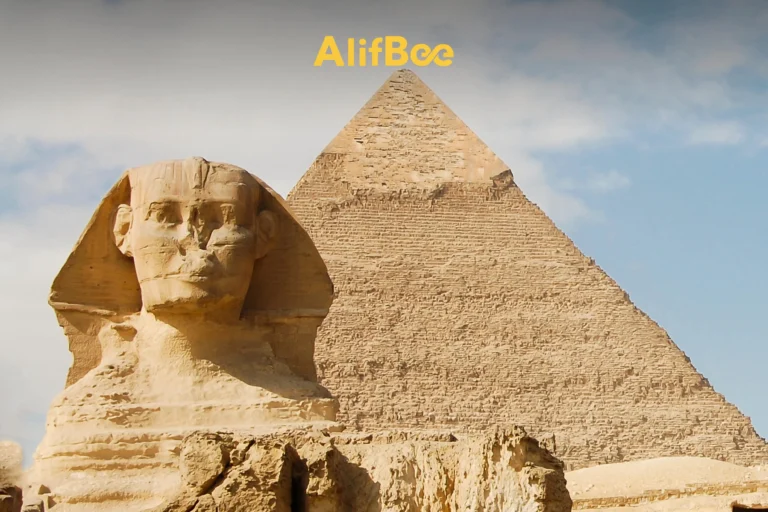
Egypt is often the best Arab country to visit, especially if it’s your first time traveling or learning Arabic. Egyptian Arabic is heard everywhere — in movies, TV shows, and music — so people across the Arab world usually understand it. (Read more about Egyptian Arabic).
Egypt is also one of the oldest continuously inhabited regions on Earth and a cornerstone of the ancient world. The pyramids of Giza, the valley of the kings, and Luxor’s temples reflect the grandeur of ancient Egypt. These landmarks are among the most important sites in the world, with several designated as a UNESCO World Heritage Site.
Getting to Egypt is easy through major international airports, and it’s still one of the most popular tourist destinations. Main tourist areas are well protected, and there are endless day trips that let you experience more without traveling far.
Jordan
Jordan is one of the safest Arabic-speaking countries to visit. It’s stable, welcoming, and home to some of the Middle East’s most memorable places.
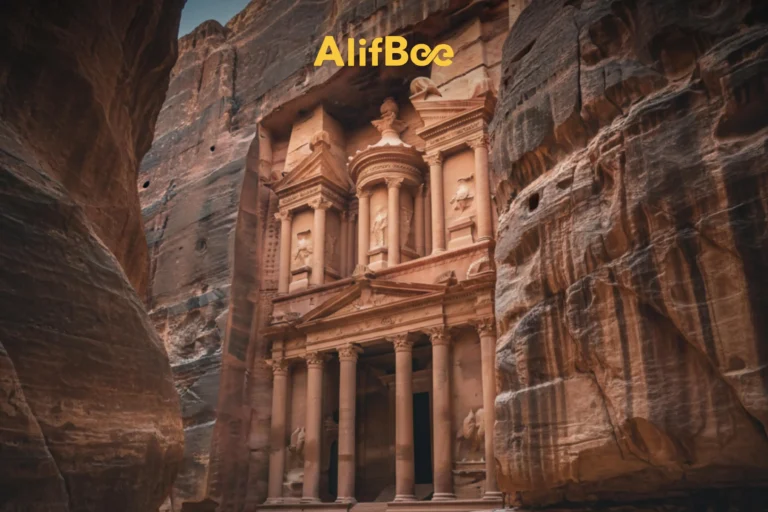
The ancient city of Petra is one of the New Seven Wonders of the World. Walking through its narrow paths and carved stone buildings offers a glimpse into history and can transport you back to the ancient era. Nearby, Wadi Rum is famous for its desert landscapes and towering rock formations, making it a favorite for adventure travelers.
In Amman, the capital of Jordan, old and new coexist, with cafés, ancient ruins, and mosques blending naturally into everyday life. The Levantine Arabic spoken here is clear and close to Modern Standard Arabic, which makes Jordan an excellent place for learners. (Read more about the difference between Levantine Arabic and Modern Standard Arabic).

Morocco
Morocco is one of the most beautiful places to visit in the Arab world and across the Middle East and North Africa. It’s also considered safe and remains a favorite destination for travelers who want real culture, color, and everyday life.
The country is well known for its lively souks, traditional handicrafts, and historic bazaar streets. Marrakech and Fes feel like living ancient cities, where medinas, markets, and daily life coexist. Chefchaouen brings a calmer pace, with its blue streets creating a peaceful contrast to the energy of larger cities.
Arabic here differs from the Eastern dialects. It blends with Amazigh and French influences, forming Moroccan Arabic (Darija). While the dialect can be challenging for beginners, it’s ideal for advanced learners seeking linguistic diversity.

United Arab Emirates
The UAE is one of the safest Middle Eastern countries and one of the easiest entry points for American travelers. Arabic is the official language, with Gulf dialects used alongside Modern Standard Arabic. English is also widely spoken because of the diverse nationalities from all over the world who live and work side by side.
Cities like Dubai and Abu Dhabi offer world-class infrastructure while maintaining a strong connection to Islamic culture. Iconic landmarks such as the Burj Khalifa and the Sheikh Zayed Grand Mosque highlight the country’s architectural ambition, blending tradition with innovation.
Direct flights, efficient transport, and high safety standards make the UAE ideal for cautious travellers or those planning a short luxury trip.

Oman
Oman is often described as one of the most authentic Arabic-speaking countries. It avoids excess tourism while offering rich culture, dramatic landscapes, and genuine daily Arabic usage.
The Sultan Qaboos Grand Mosque is an architectural masterpiece in Muscat, and Oman’s wadis, mountains, and coastline provide natural beauty rarely matched. In the south, Salalah almost feels like another country. It’s greener and cooler during the autumn season, and life there moves around local routines, not tourist plans.
Gulf Arabic is spoken throughout the country, and English isn’t as widely used outside the main cities, which makes Oman a great place for immersion. It also consistently ranks among the safest Arabic-speaking countries, making it ideal for travelers seeking calm, respect, and genuine cultural depth.

Saudi Arabia
Saudi Arabia is one of the best places to experience living Arab culture in the Middle East. Cities like Riyadh and Jeddah show what everyday life looks like, while AlUla feels completely different. AlUla stands out for its ancient ruins, dramatic rock formations, and a UNESCO World Heritage Site that gives a rare glimpse into the grandeur of the ancient world.
Saudi Arabia has a unique Islamic role as the birthplace of Islam and the home of Mecca and Medina, where millions of Muslims gather each year. The mosque is central to daily life, and you can clearly feel the connection between deep tradition and modern society.
Gulf Arabic is spoken in daily life, while Modern Standard Arabic is widely used in formal settings. With recent changes to tourism, Saudi Arabia has become one of the safest and more accessible destinations for visitors who want to experience real culture and history.

Lebanon
Lebanon has one of the richest cultural mixes in the Arab world. Beirut feels fast, loud, and full of life, while places like Byblos remind you just how old the country really is. Together, it feels both modern and deeply historic.
Lebanese Levantine Arabic is very expressive and musical, and you hear it everywhere — in cafés, taxis, and small neighborhood souks. Food makes everything easier. Sitting down for mezze or grabbing a shawarma usually turns into conversation without trying too hard.
Lebanon might not be the easiest place for a beginner, but if you’re motivated, it’s one of the most rewarding Arab countries to visit. It’s also important to stay aware of the local conditions, but many visitors continue to experience Lebanon as welcoming, warm, and culturally vibrant.

Qatar
Qatar is small but impactful. Doha is a city where Arabic culture is proudly displayed through museums, mosques, and public art. Visitors can explore the Museum of Islamic Art, walk through Katara Cultural Village, visit traditional souks, and stroll along the corniche, all within a short distance.
People speak Gulf Arabic, and Arabic signs are everywhere, so the language feels present in daily life. Qatar is also one of the safest Arab countries to visit, with smooth transport, good infrastructure, and a growing interest in cultural tourism.
If you want a short trip that still gives you real culture and solid language exposure, Qatar is a great choice.
Which Arabic-Speaking Country Is Best for You?
Traveler Type
Best Choice
Why
Arabic beginners
Egypt, Jordan
Clear dialects, constant exposure
Safety-focused travelers / Gulf Arabic learners
UAE, Oman, Qatar, Saudi Arabia
Among the safest Middle Eastern countries
Advanced learners
Morocco, Lebanon
Fast dialects, cultural depth
Levantine Arabic learners
Jordan, Lebanon
Authentic Levantine speech
Nature & calm
Oman
Deserts, valleys, natural landscapes
Short luxury trips
UAE, Qatar
Easy access, modern comfort
Culture lovers
Egypt, Morocco, Saudi Arabia
Deep history, ancient civilizations
Final Thoughts
At AlifBee, we don’t just teach Arabic as a language. We teach it as a way to understand people, history, and culture. When you travel in Arabic-speaking countries, words stop being just vocabulary. They become real moments, real conversations, and real connections.
In 2026, learning Arabic while traveling is one of the best ways to truly speak it and respect the cultures around you. Wherever you go, listen carefully, speak without fear, and let Arabic be part of your journey.
To start your Arabic learning journey, download the AlifBee app and take advantage of the free 14-day trial period to prep for your next trip.
FAQs
Egypt is often a great place to start. The dialect is widely understood, travel is affordable, and there’s a lot to see and experience.
Many of them are. Countries like Oman, the UAE, Jordan, and Qatar are known for being safe and welcoming to visitors.
Yes. Every simple conversation in markets, transport and cafés give you plenty of chances to use Arabic naturally.