Do you ever wonder why Ramadan comes earlier every year? This simple question opens up a fascinating conversation about the Islamic calendar and how Muslims track their most sacred occasions.
If it’s your first time learning Arabic, you might struggle to understand the Islamic months and how they move through the seasons. However, understanding this Islamic calendar is essential if you are learning Arabic or curious about Islamic culture.
In this blog post, we will discuss the Hijri calendar in detail and break down all 12 Islamic months with their Arabic names. So stay with us till the end.
What is the Islamic Calendar?
The Islamic calendar, commonly known as the Hijri calendar, is based on the lunar calendar. It is used by Muslims worldwide to determine religious occasions and Islamic holidays. It is unlike the Gregorian calendar, which follows the solar movements, and it follows the lunar cycles.
The term Hijri comes from the Arabic word “Hijra.” It refers to the Prophet Muhammad’s PBUH migration from Mecca to Madina in 622 CE. This movement marks the beginning of the Islamic calendar.
According to Islamic belief, this migration was chosen as the starting point and represents the foundation of Islam.
Currently, we are living in the year 1446 AH, which stands for “Anno Hegrae” in Latin, meaning “in the year from the Hijra”.
Why is it called the Hijri Calendar?
This calendar was not established during the lifetime of the Prophet. It was institutionalized in the era of Umar ibn Al-Khattab, the second Caliph of Islam.
However, when Umar received letters that lacked clear dates, he called together senior companions to develop an appropriate system of dating. They all agreed on the Hijrah date as the year one date, since it was well recorded.
The Difference Between the Hijri Year and the Gregorian Year
There are only 354 or 355 days in a Hijri year as compared to the Gregorian calendar, which has 365 or 366 days. This is a variation of approximately 10-11 days, which implies that every year.
Islamic months rotate backwards across seasons. This is why Ramadan may be during winter this decade and during summer another.
According to the Quran, this lunar system is mentioned in Surah Yunus: “He was the one to provide the sun with its shining and the moon with its light, set phases to it, that you could know the number of years and estimate the way to measure time (10: 5).
How Does the Hijri Calendar Work?
The Islamic calendar is very simple: one month begins when the new crescent moon is sighted. Every lunar year lasts about 29.5 days, which is why Islamic months have 29 or 30 days.
When the crescent moon occurs on the 29th day of a month, the new month commences on the following day. When it is not seen, it is the end of a 30-day month.
Why Do Islamic Months Move Through the Seasons?
Islamic months advance by 10 to 11 days each year relative to the Gregorian calendar. This is because the lunar year is shorter compared to the solar year.
Within about 33 years, the Islamic month will have passed through all four seasons.
The Twelve Hijri Months in the Islamic Calendar
Let’s explore each month of the Islamic calendar with its meaning and significance. For Arabic learners, mastering these names is essential.
Month Name in English
Transcription
Month Name in Arabic
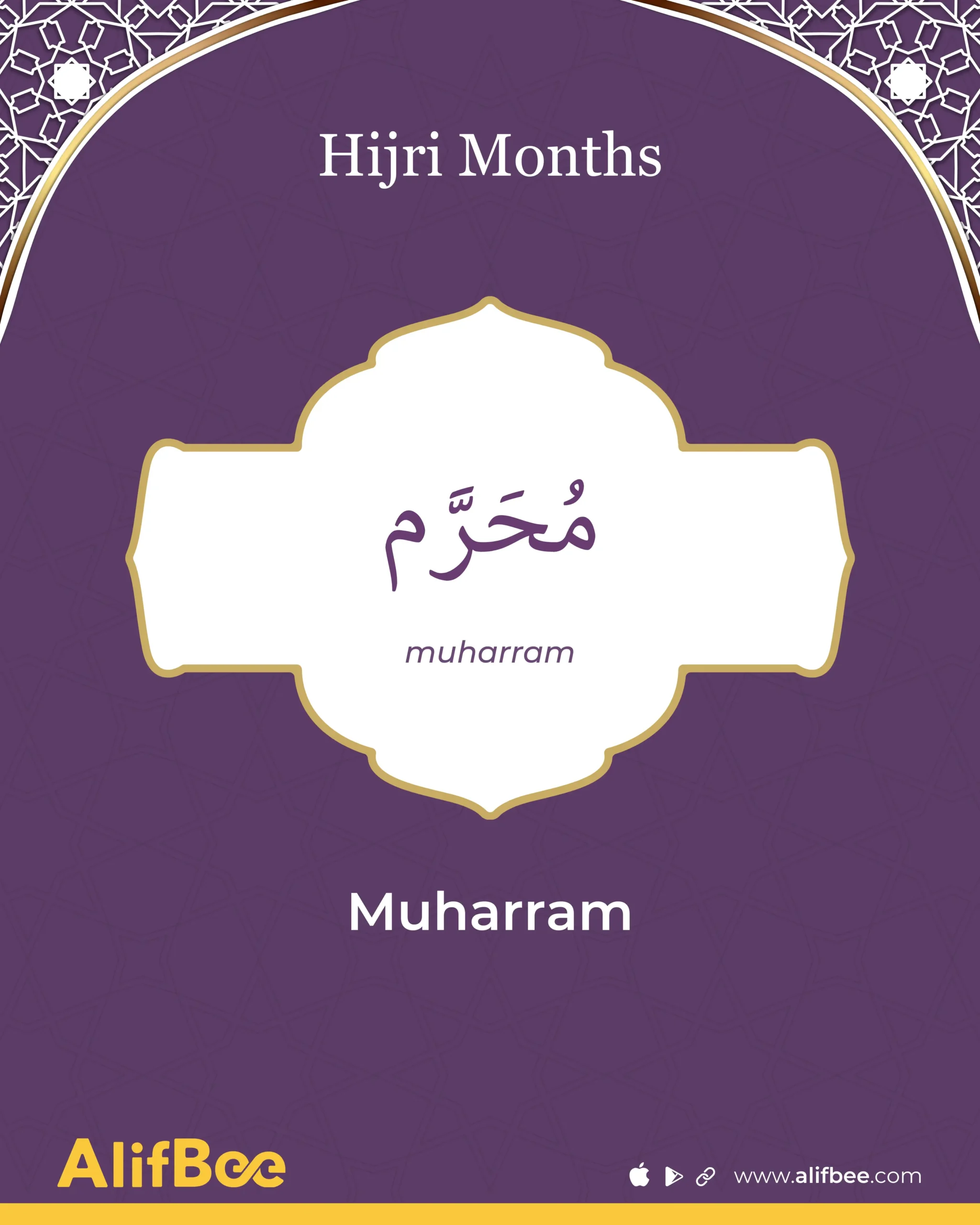
Muharram
Muharram
مُحَرَّم
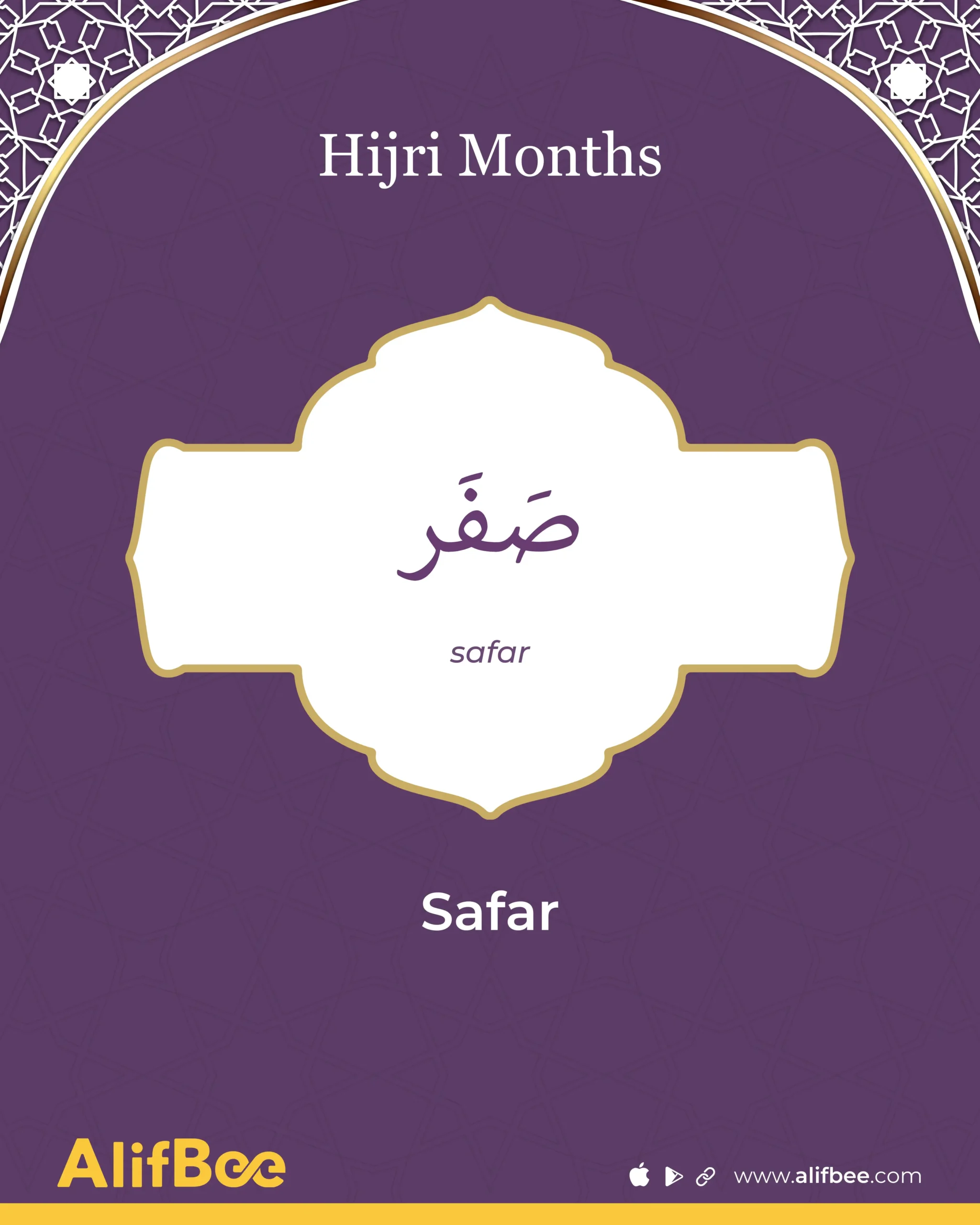
Safar
Safar
صَفَر
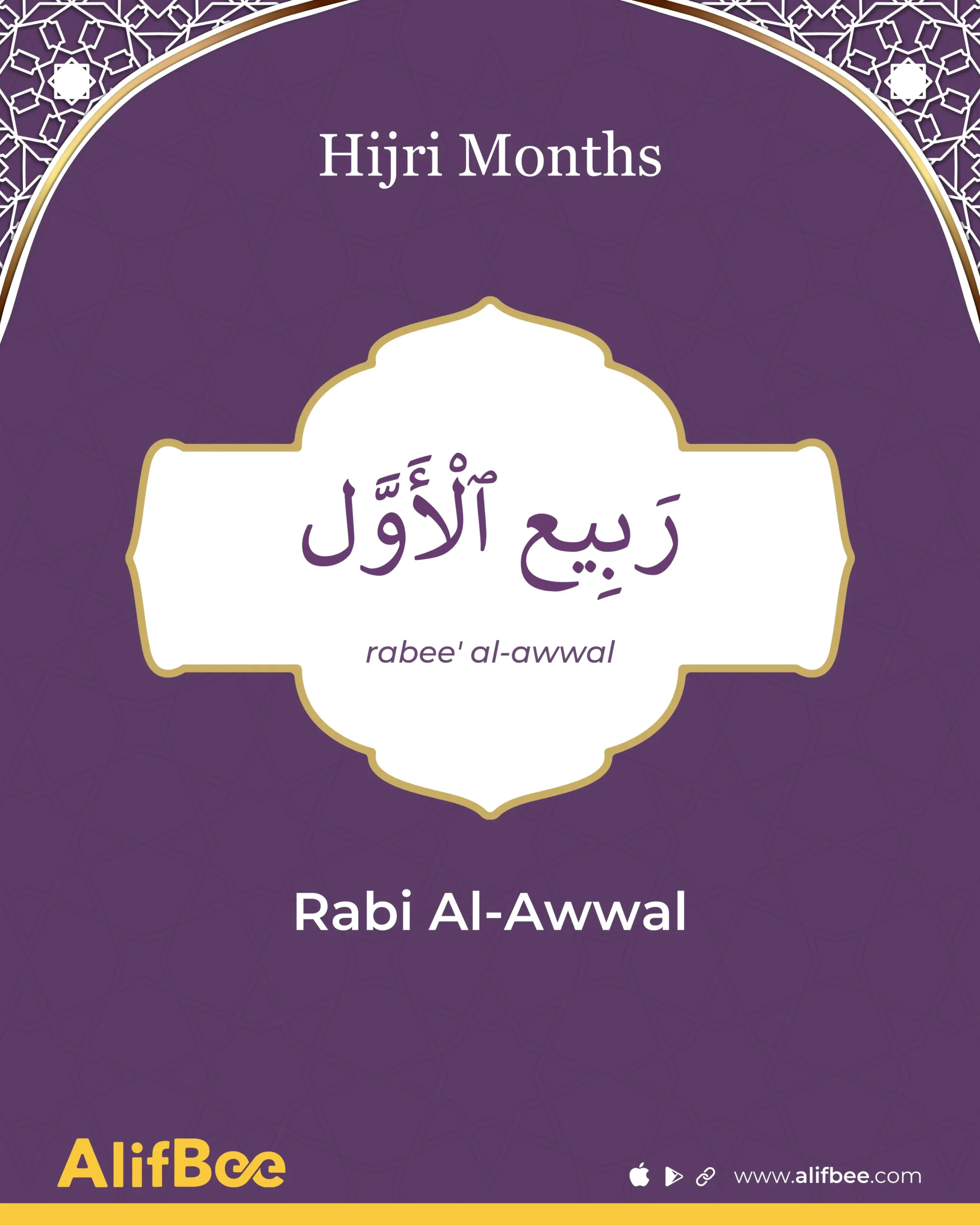
Rabi Al-awwal
Rabee' al-Awwal
رَبِيع ٱلْأَوَّل
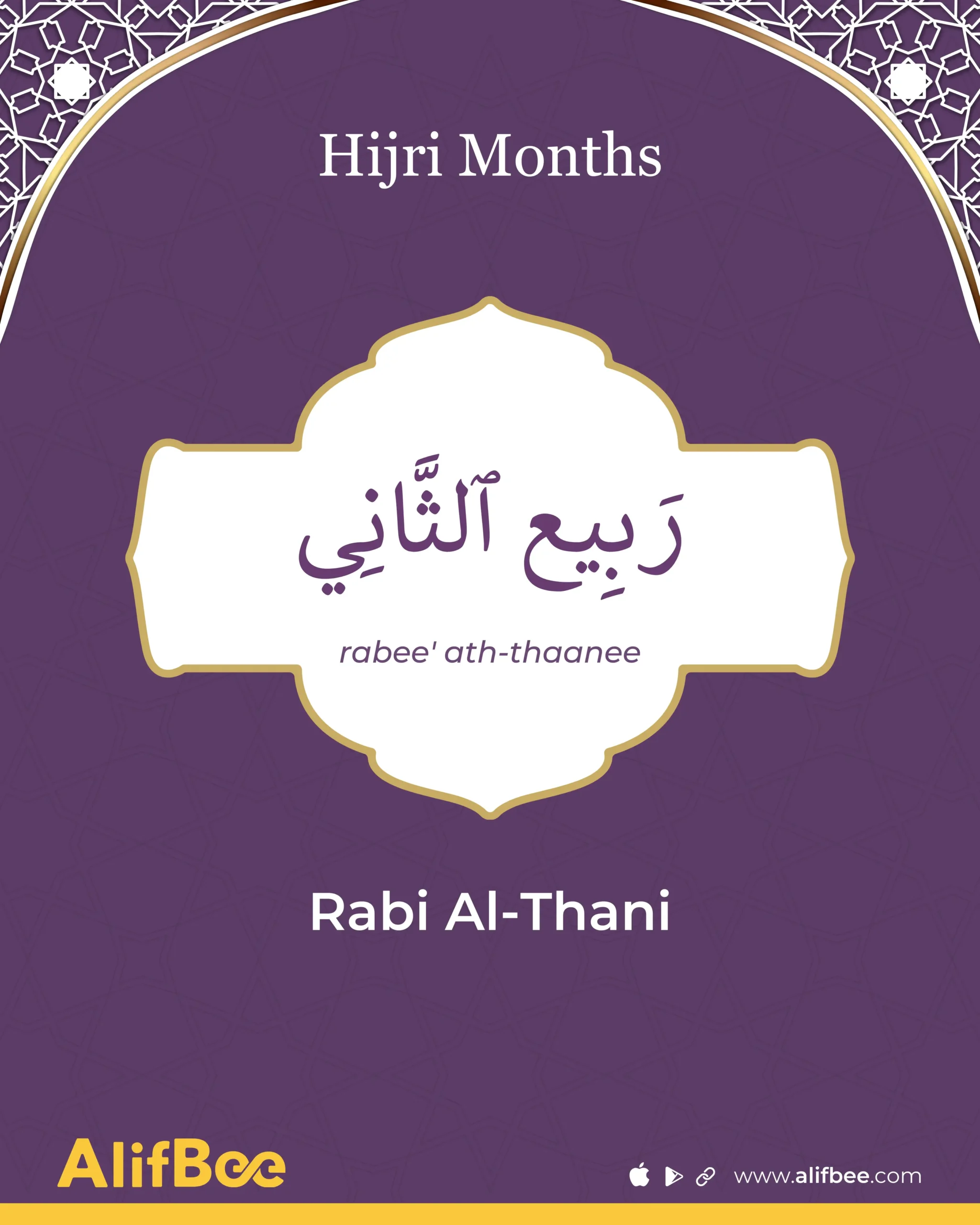
Rabi Al-thani
Rabee' ath-Thaanee
رَبِيع ٱلثَّانِي
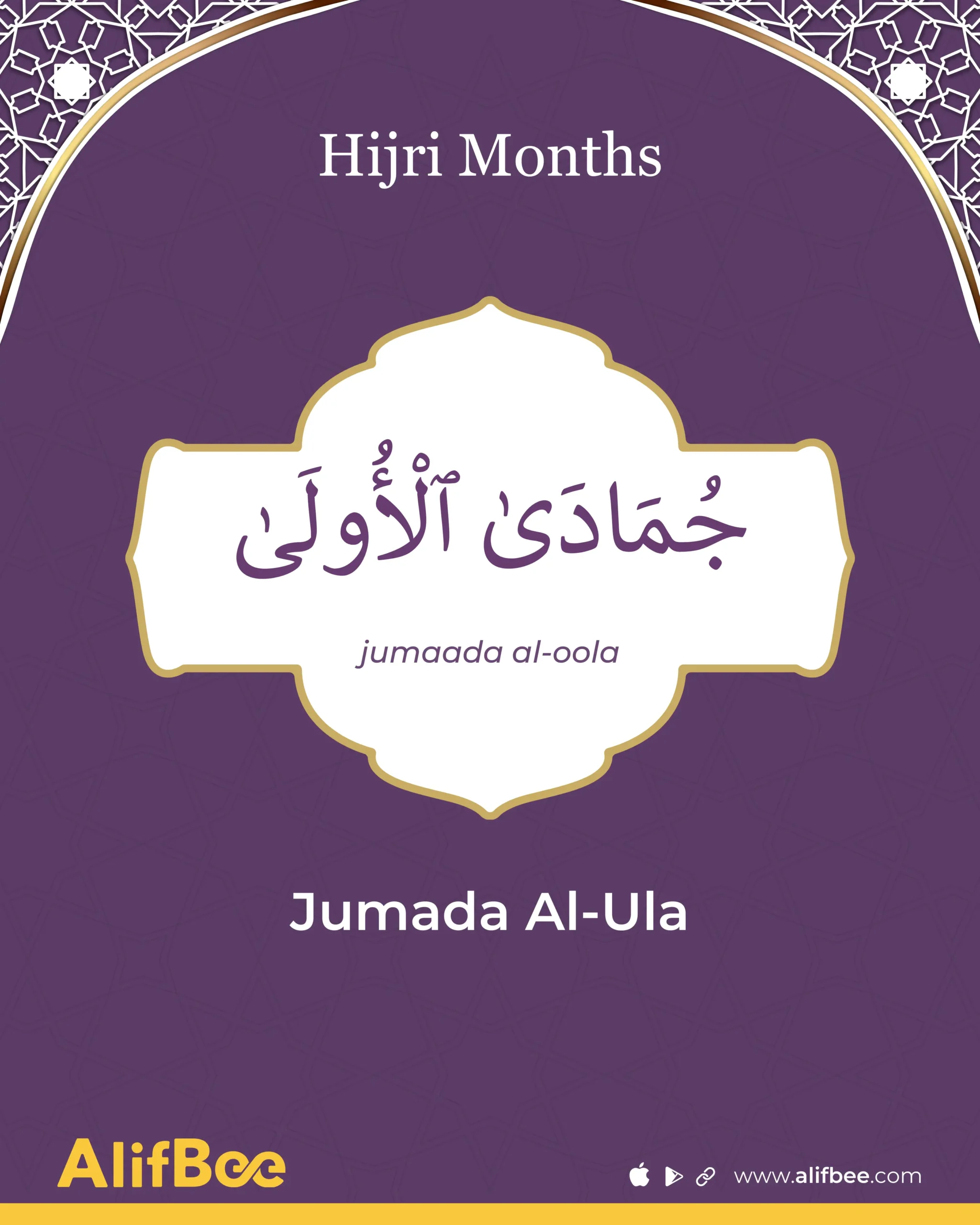
Jumada Al-Ula
Jumaada al-Oola
جُمَادَىٰ ٱلْأُولَىٰ
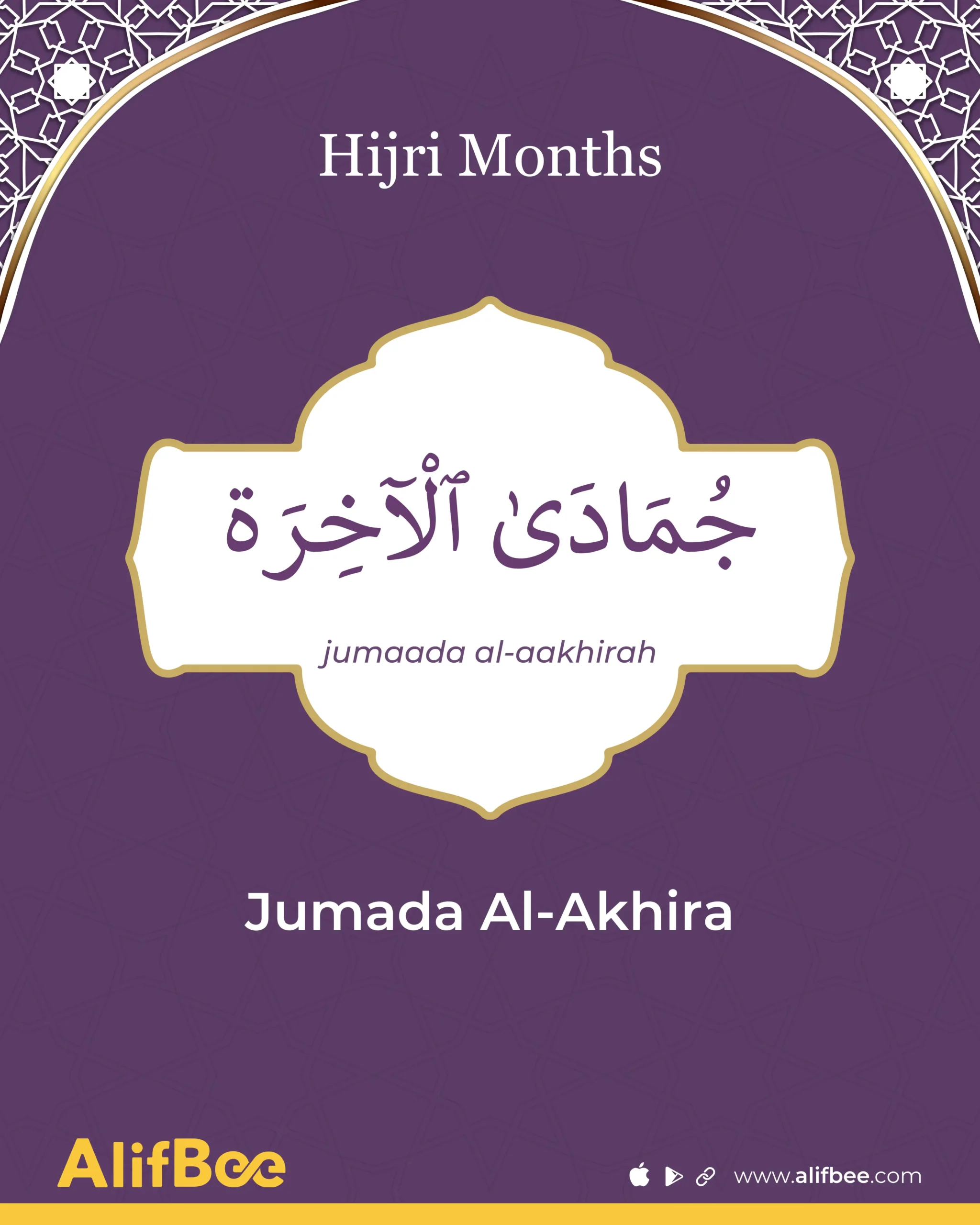
Jumada Al-Akhira
Jumaada al-Aakhirah
جُمَادَىٰ ٱلْآخِرَة
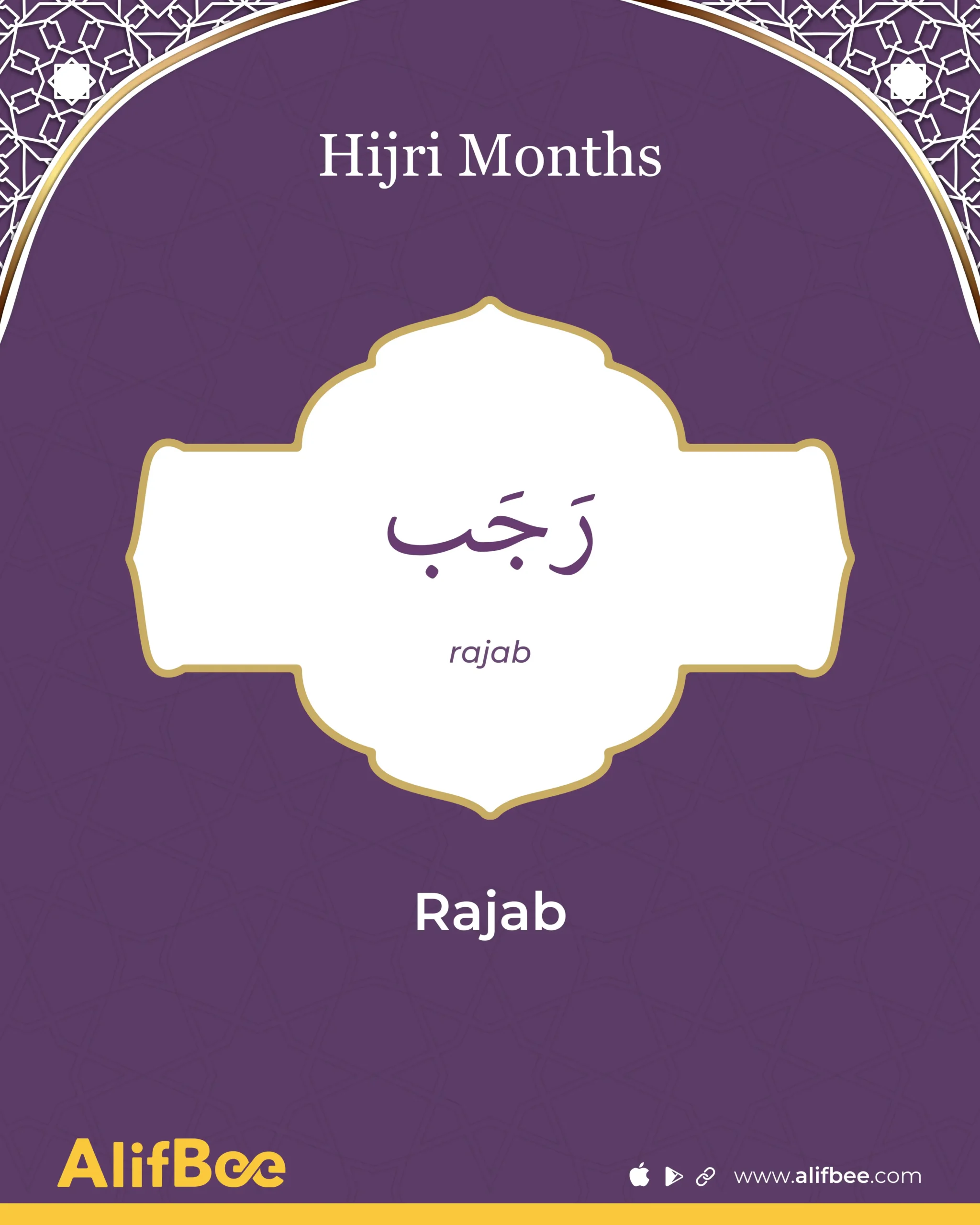
Rajab
Rajab
رَجَب
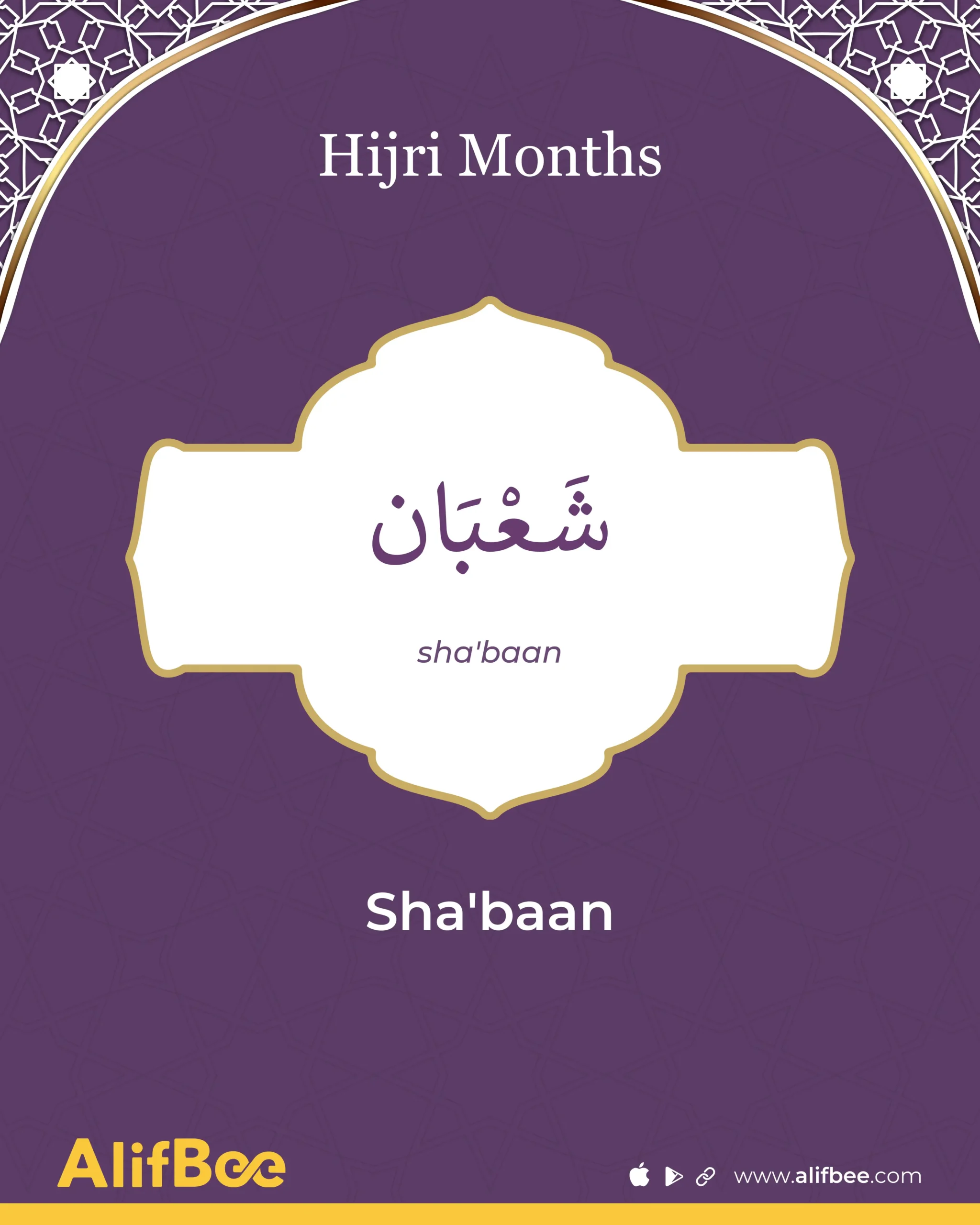
Sha'baan
Sha'baan
شَعْبَان
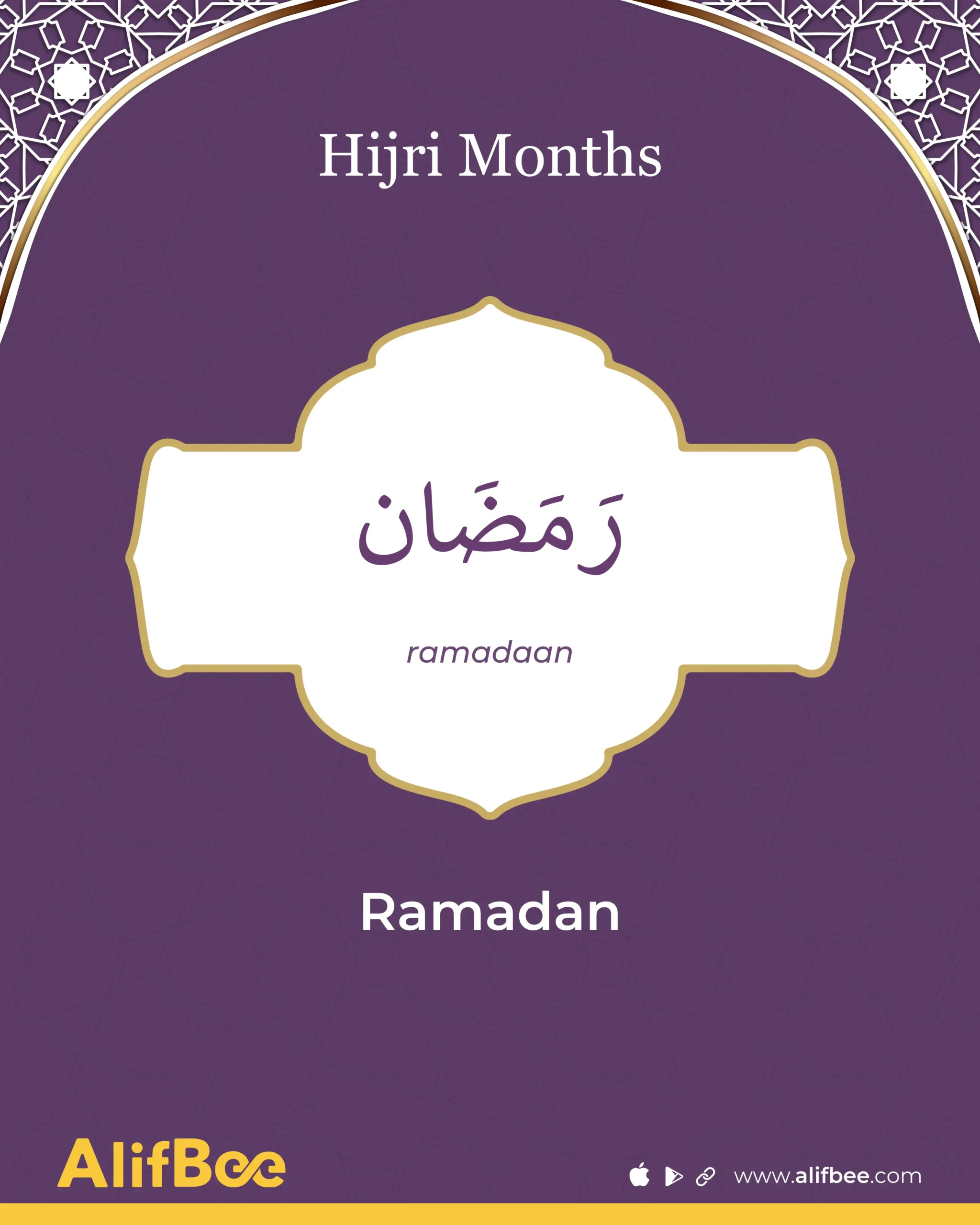
Ramadan
Ramadaan
رَمَضَان
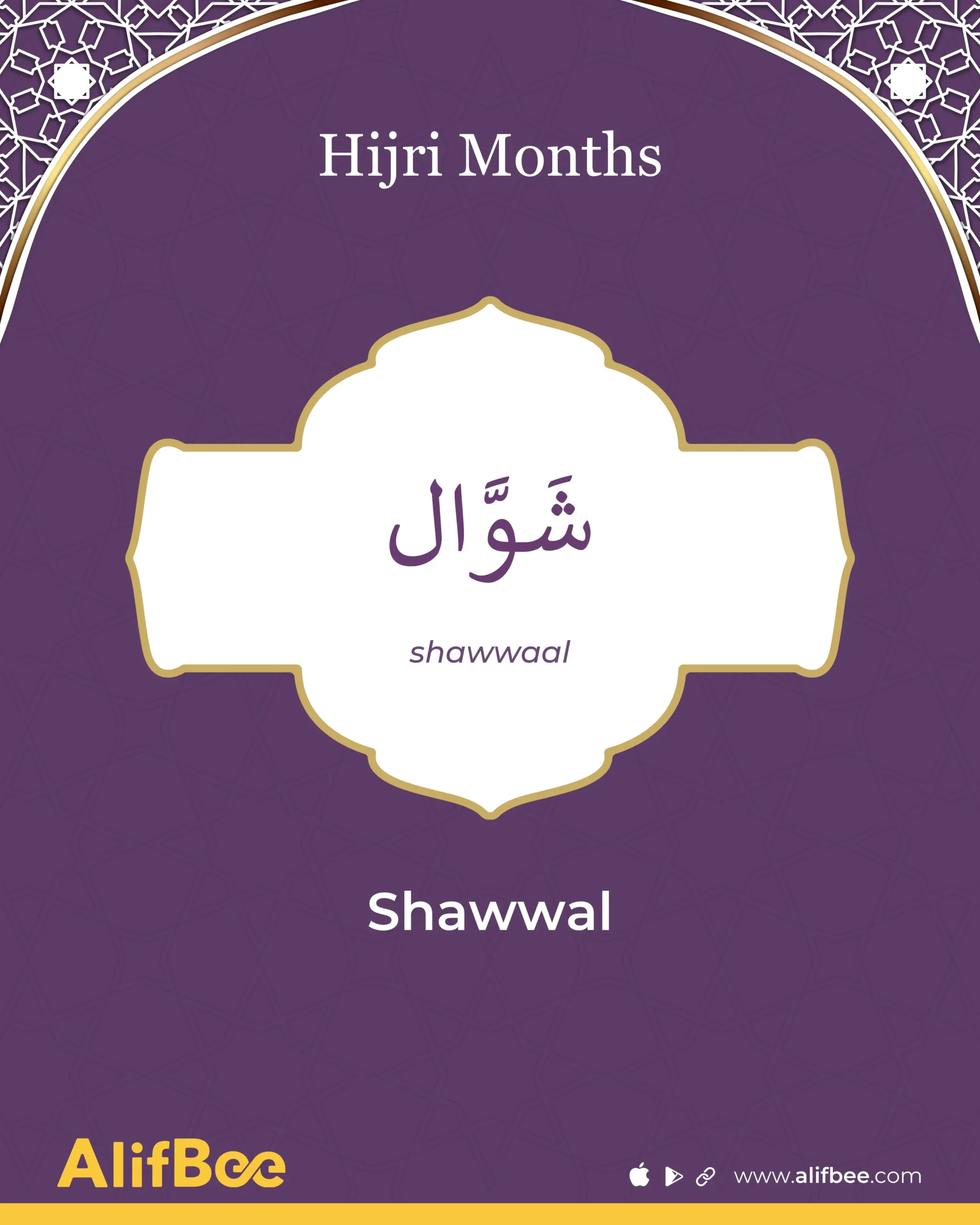
Shawwal
Shawwaal
شَوَّال
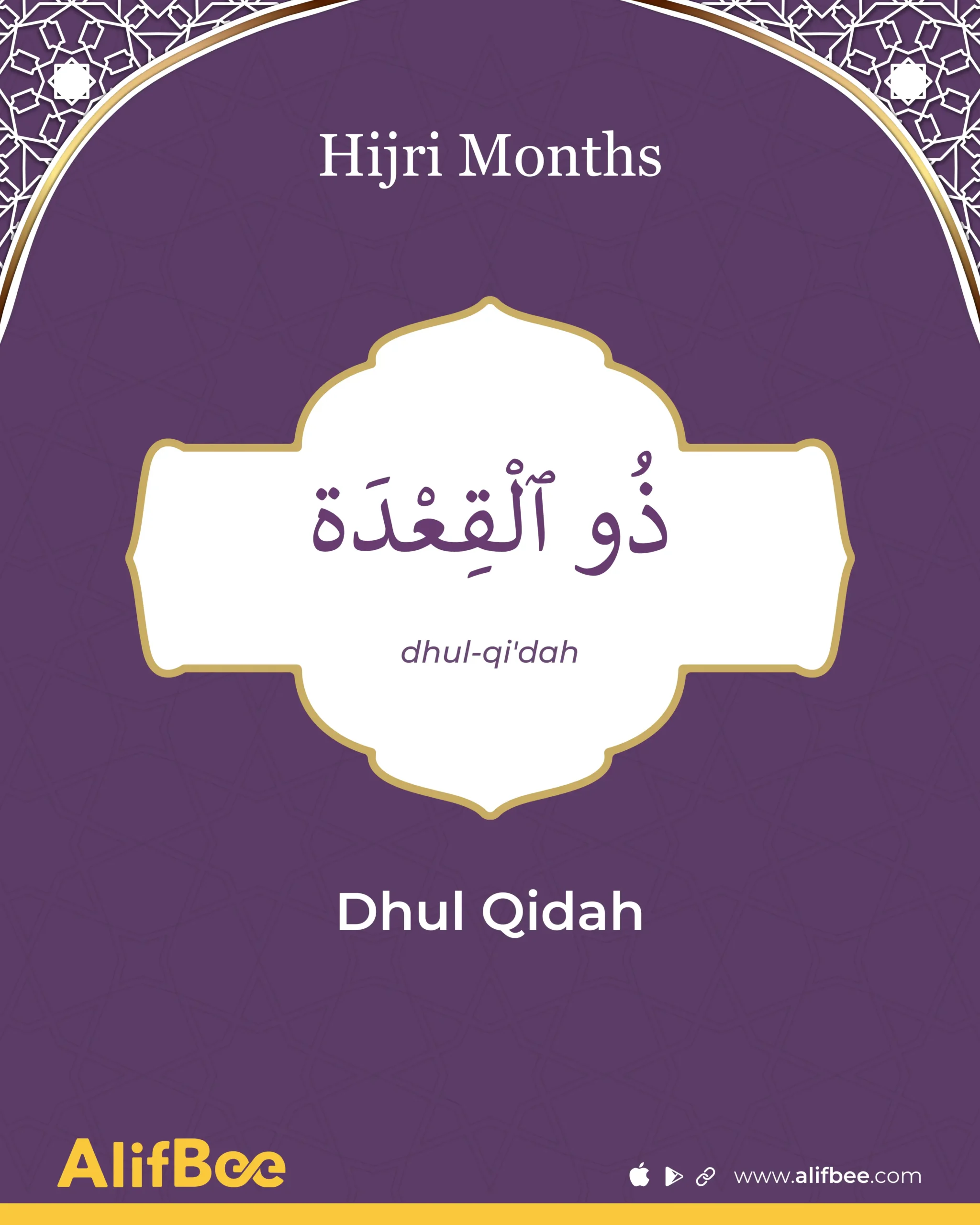
Dhul Qidah
Dhul-Qi'dah
ذُو ٱلْقِعْدَة
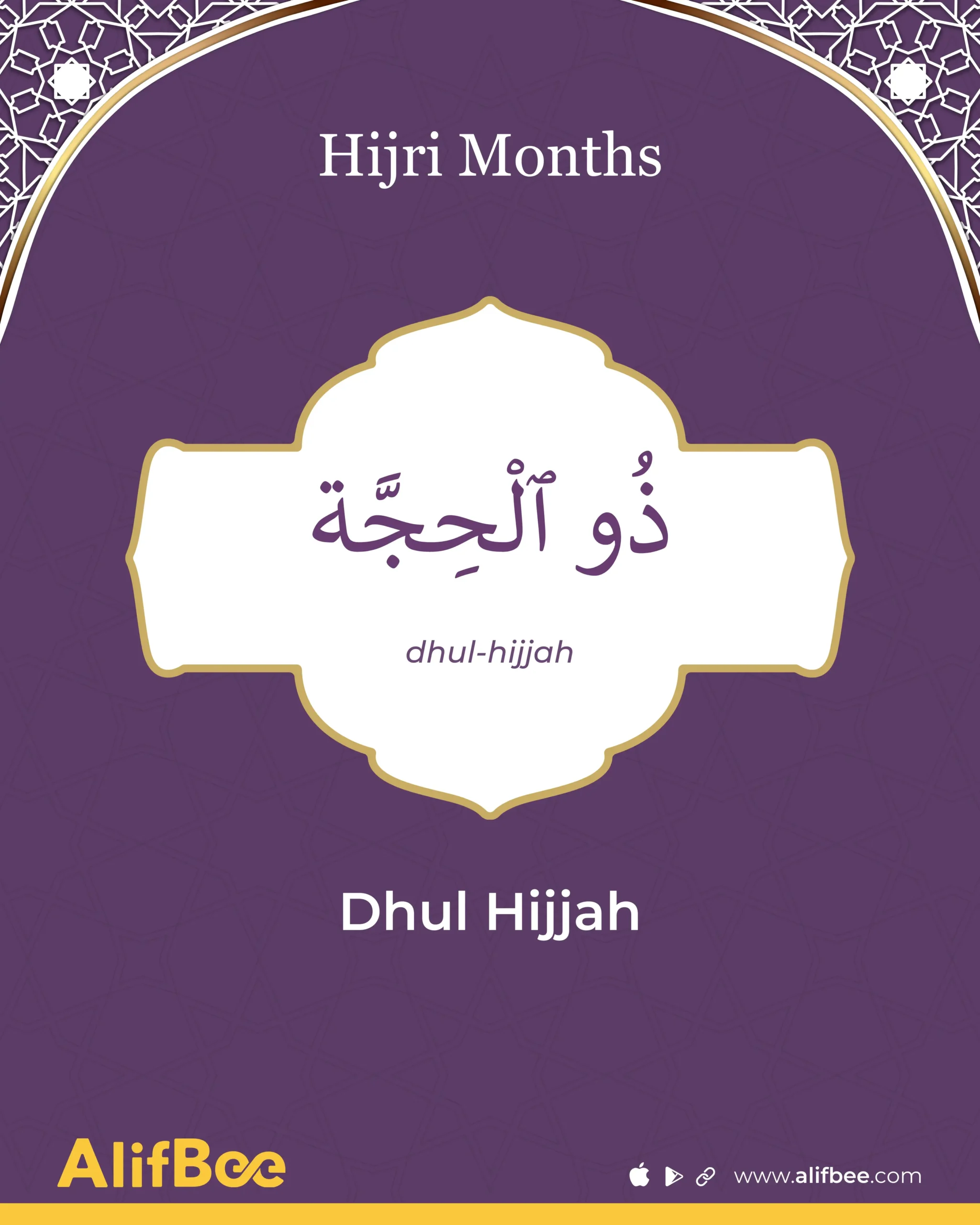
Dhul Hijjah
Dhul-Hijjah
ذُو ٱلْحِجَّة
Muharram
Meaning: “Forbidden” or “Sacred”
Muharram is one of the four holy months during which war was not permitted. Ashura is the 10th day of Muharram, which is of special importance.
It is a fasting day among the Muslims who are reminiscing about the day Allah rescued Prophet Musa from Pharaoh. Other than that, Ashura is the day of martyrdom of Imam Hussein in the Battle of Karbala.
Safar
Meaning: “Empty” or “Void”
Safar is the second month of the Hijri calendar. This month is observed in the pre-Islamic Arab tradition, where people used to leave their homes in search of food and resources. The name “Safar” from “Sifr” means Zero or null, which could be the reason the month is called this name.
Rabi Al-Awwal
Meaning: “The First Spring”
Muslims especially love this month because it is customary to observe it as the month of the Prophet Muhammad’s birth. The spring images depict the experience of change and development.
Rabi Al-Thani
Meaning: “The Second Spring”
The fourth one is named Rabee Al-Thani and is also called Rabee Al-Akhir (the other) or Al-Thani (the second). This month marks the end of the spring season.
Jumada Al-Awwal
Meaning: “The First Month of the Parched Land”
Jumada Al-Awal was named in the Islamic calendar during the period when the land was dry or frozen.
Jumada Al-Thani
Meaning: “The Second Month of the Parched Land”
This month was referred to as a continuation of the bad conditions in ancient times. And the difficult dry season is about to haunt the end of the month.
Rajab
Meaning: “Respect” or “Honour”
Another holy month that prohibits fighting is Rajab. This month also includes the 27th of Isra and Mi’raj, when the Prophet Muhammad left Makkah, flew to Jerusalem, and ascended to the heavens.
At the time when the Prophet could see the moon of Rajab, such a dua would he say: “O Allah! May the months of Rajab and Shaaba be blessed on our behalf, and enable us to come to Ramadan.”
Sha'baan
Meaning: “Scattered” or “Dispersed”
The name Sha family is derived from the Arab practice of scattering to seek water and pastures. This is the month of spiritual preparation for Ramadan. In Sha’baan, many Muslims fast more and pray.
Ramadan
Meaning: “Scorching Heat” or “Burning”
Ramadan is the ninth month of the Islamic calendar and one of the holiest. Muslims fast throughout the day, from dawn to sunset. This gets done without taking food or drink.
It is a period of extreme spiritual condition and social cohesiveness. The end of the month ends on Eid al-Fitr.
Shawwal
Meaning: “Raised” or “Lifted”
Shawal is the 10th month of the Islamic calendar. Eid al-Fitr is one of two major celebrations of Islam on the first day of Shawwal. Also, many Muslims practice voluntary fasting on the six days of Shawwal.
Dhul Qidah
Meaning: “The One of Sitting” or “Truce”
Dhul Qidah is the 11th month in this sequence and the third holy month, wherein war is not allowed. The month was traditionally a safe month for pilgrims visiting Makkah.
Dhul Hijjah
Meaning: “The One of Pilgrimage”
This is the month when Muslims perform the Hajj, one of the five pillars of Islam. The ten days are the most blessed ones. The 10th day is Eid al-Adha, which marks the readiness of Prophet Ibrahim to sacrifice his son.
What Are the Sacred Months?
There are four months of special sacredness: Muharram, Rajab, Dhul Qidah, and Dhul Hijjah. These are discussed in the Quran Surah At-Tawbah (9:36). In these months of the year, no fighting was traditionally allowed except as self-defence.
This resulted in periods of relative peace when settlements could focus on spiritual matters and commerce. During these months, Muslims are urged to be particularly mindful of their conduct and to do more good deeds.
Tips to Learn the Hijri Months for Arabic Learners
Learning the twelve Hijri months can feel overwhelming, but with the right approach, you’ll master them quickly:
- Create meaningful associations: Link each month to its meaning or a major event, Ramadan for fasting, Dhul Hijjah for Hajj.
- Use flashcards with Arabic script: Write the month name in English on one side and Arabic on the other.
- Learn in groups: The months naturally cluster the two Rabi months, two Jumada months, and two Dhul months.
- Practice pronunciation regularly: Pay attention to sounds that don’t exist in English
- Connect to current events: Follow Islamic news during each month to reinforce learning.
- Write them out: Physical writing engages different parts of your brain.
Study Hijri Months with AlifBee
The AlifBee app offers a structured approach to master the Hijri months and Arabic vocabulary. This comprehensive platform includes dedicated exercises specifically designed for the Islamic calendar months.
It features interactive quizzes with multiple formats. This includes true/false, writing, and matching exercises. The app’s voice recognition technology lets you practice pronunciation with instant feedback.
The app offers listening and writing activities, translation challenges, and vocabulary review sections. It also features progress tracking. This shows all twelve months and lets you monitor which ones you’ve mastered.
The AlifBee app offers a free 14-day trial period, giving you full access to all features, including the Hijri months module.
Start Learning with AlifBee's Free 14-Day Trial
The Islamic (Hijri) calendar is more than a way to track dates. It’s a key to understanding Muslim culture, religious traditions, and the Arabic language. Each of the twelve lunar months has its own story and significance, shaping the lives and practices of Muslims for centuries.
Learning the Hijri months is valuable for Arabic learners. With a bit of curiosity, regular practice, and user-friendly tools like the AlifBee app, mastering these months becomes simple and engaging.
Ready to make real progress? Try AlifBee’s free 14-day trial and see how interactive lessons can boost your language journey.