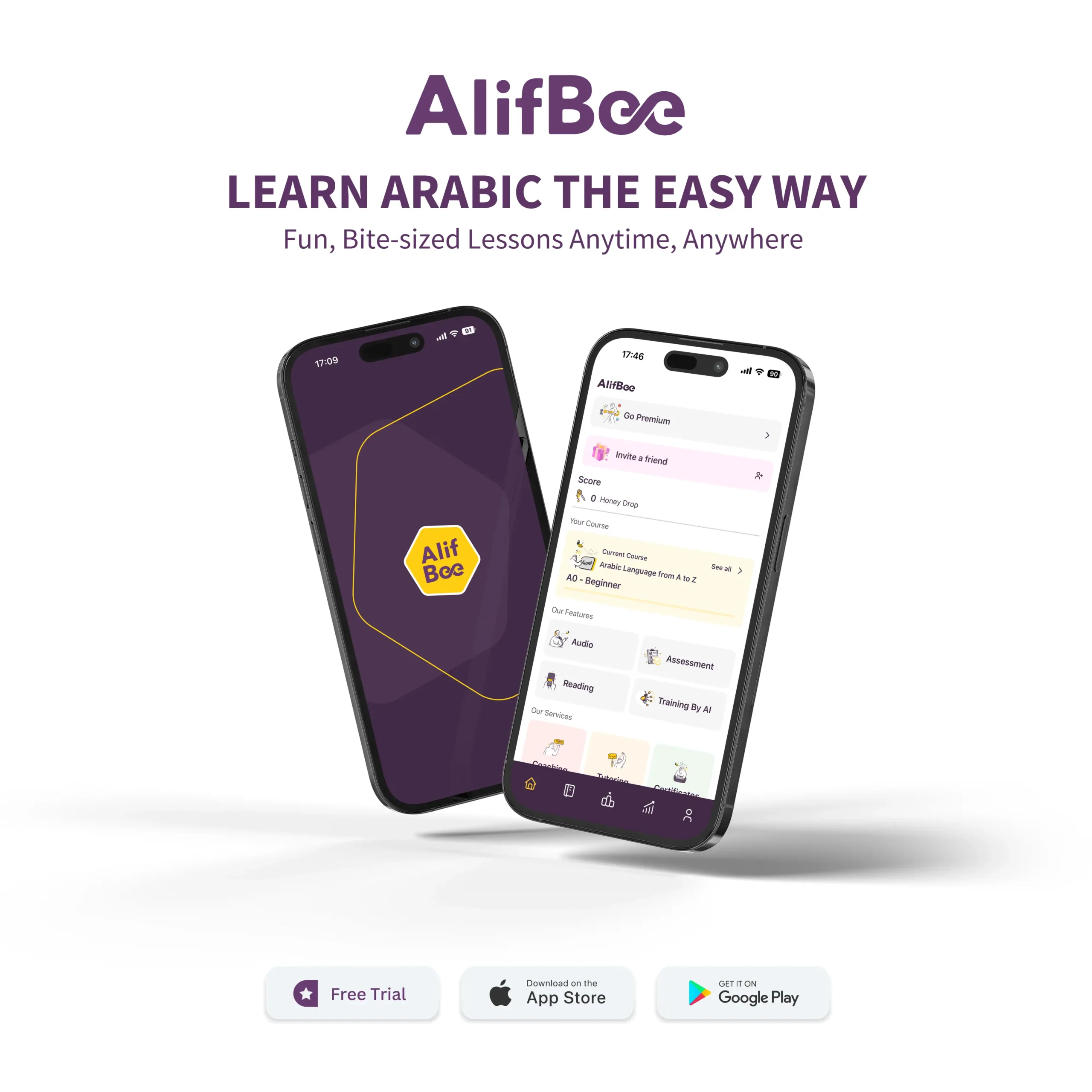

Imagine you excitedly enter your Arabic class and discover that there is not just one version of Arabic, but multiple ones, including Fusha, Egyptian, Levantine, and Gulf Arabic.
And this is what confuses most students. “Which one do I even learn?” In most cases, to build a foundation, teachers tell their students to start with Fusha. You might also be wondering why Fusha Arabic is so popular today.
In this blog post, we will answer the 8 most common questions people ask about Fusha Arabic.
What is Fusha Arabic?
Fusha is the official standard form of Arabic. It is the one you read in books, newspapers, official records, and letters. In other words, it is the official Arabic used in professional and educational contexts, and is rarely used in casual conversations.
The word Fusha (فصحى) comes from the Arabic root word Fasaha (فصاحة), which means “eloquence” or “clarity.” That’s exactly what this form of Arabic is: clear, eloquent, and formal.
Eloquent/Classical Arabic
Fusha
فصحى
Eloquence
Fasaha
فصاحة
The Quran is also written in Fusha, which makes it significant to the Arab world. It is considered the purest form of written Arabic and has not changed much over the centuries.
Which Arabic dialect is closest to Fusha?
No single Arabic dialect is the closest to Fusha. Arabic is a diglossic language situation: Fusha or Modern Standard Arabic is the formal written and broadcast standard, while everyday speech happens in regional dialects that differ from it and from each other.
In practice, many teachers and learners say that Levantine or some Arabian Peninsula varieties can feel closer to Fusha than dialects like Moroccan Darija, especially in vocabulary and pronunciation. But linguists do not treat one modern dialect as the single clear winner, and even Arabic teaching resources warn that claims like “our dialect is closest to Fusha” are usually oversimplified.
Where is Fusha Arabic spoken?
Fusha isn’t used in everyday conversation. Today, you rarely hear people speaking Fusha in daily life.
Instead, it is used in:
- Formal speeches and presentations
- News broadcasts
- Religious sermons
- Academic lectures and conferences
- Official government meetings
- Courtrooms and legal proceedings
Are Fusha and MSA the same?
Yes, essentially they are the same. Actually, MSA (Modern Standard Arabic) is just a modern name for Fusha Arabic.
Some scholars say that Classical Arabic refers specifically to the language of ancient texts and the Quran, while MSA is the modern version used in media and education today.
However, for practical purposes, if someone says “Fusha” and “MSA,” they mean the same standardized Arabic.
This is because the grammar, verbs, conjunctions, and formal vocabulary are all the same.
How to learn Fusha Arabic?
Since Fusha is primarily a written and formal language, learning it requires a structured approach. Here are some of the best ways to learn it:
- Arabic Learning Apps
There are modern apps, such as AlifBee, that provide comprehensive Fusha Arabic instruction for beginners. AlifBee curriculum focuses on classical Arabic and is interactive, engaging the students in the alphabet, vocabulary, grammar, and verb conjugation.
- Formal Arabic Courses
Look for courses specifically labelled ‘Modern Standard Arabic’ or ‘Classical Arabic’, rather than dialect courses. These courses teach you proper grammar, written Arabic, and formal vocabulary.
- Reading Practice
Start with easy Arabic passages, children’s books, news articles, or a translation of the Quran. Because Fusha is mainly written, reading is a vital part of learning it.
- Listening to Formal Arabic
Watch Arabic news channels, listen to podcasts in MSA, or watch Arabic documentaries. These will train your ears to the formal language structure and help you become comfortable with it.
- Grammar Study
Fusha follows specific grammar rules. You should learn verb patterns, case endings (i’rab), and sentence structure. Focus on the grammar features that make Fusha unique.
How long does it take to learn Fusha Arabic?
Learning Fusha depends on your dedication and the amount of time you commit. However, it’s not the easiest language to learn.
The U.S. Foreign Service Institute has classified Arabic as a Category IV language, the most difficult for English speakers. They estimate it takes 2,200 hours to become proficient.
Here’s a general breakdown:
- Basic reading and comprehension: 6-12 months
- Intermediate level (reading newspapers, following the news): 1-2 years.
- Advanced fluency (writing formally, understanding complex texts): 3-4 years or more.
If you are simply learning Fusha Arabic in order to read religious texts or to understand the broadcast news, you can easily reach that goal much sooner.
Which countries speak Fusha Arabic?
Fusha is the official language in 22 Arab countries, including:
- Saudi Arabia
- Egypt
- Jordan
- Lebanon
- Syria
- Iraq
- Morocco
- Tunisia
- Algeria
- UAE
- Kuwait
However, while Fusha is the official written and formal language in all these countries, each has its own Arabic dialect used for everyday conversation.
Who speaks Fusha Arabic?
Fusha Arabic is spoken by:
- News anchors and reporters
- Politicians and government officials
- Religious scholars in sermons and lectures
- University professors and academics
- Lawyers in courtrooms
- Educated speakers in formal settings across the Arab world
Educated Arabs are able to switch between their local dialect and Fusha depending on the situation. This is known as code-switching and is a normal aspect of language use in Arabic.
Ready to Learn Fusha Arabic? Start Your Journey With AlifBeeToday
All in all, Fusha Arabic may not be easy to learn at first, but it is worth the effort. Most people learn Fusha Arabic for religious reasons, career aspirations, or personal curiosity. This is because Fusha provides access to a rich linguistic and cultural heritage.
If Fusha Arabic piques your curiosity and you are ready to start your learning journey, consider downloading AlifBee today. AlifBee offers comprehensive courses based on classical Arabic, with interactive lessons and a systematic study plan to help you become a fluent Arabic speaker.