
Written by Dania Ghraoui, a translator and language teacher with 10 years of experience.
At a Glance: Eid Al-Adha is celebrated with the Eid prayer, takbeer, udhiyah, sharing meat with family and people in need, and visiting relatives and friends. It takes place during Dhul Hijjah and is closely connected to Hajj and the story of Prophet Ibrahim. Eid Al-Adha is also a useful time for Arabic learners to learn words like ʿīd, takbīr, ḥajj, and uḍḥiyah.
Eid Al-Adha is one of the two main Eid celebrations in Islam, along with Eid Al-Fitr. It reminds us of the faith and obedience of Prophet Ibrahim and his willingness to obey Allah. The celebration also takes place during Hajj season, which gives it a strong connection to pilgrimage, worship, and the shared life of the Muslim community.
When Does Eid Al-Adha Happen?
Eid Al-Adha falls on the 10th day of Dhū al-Ḥijjah, the Islamic month of Hajj. Because the Islamic calendar follows the lunar cycle, the Gregorian date changes each year. In 2026, many countries, including Saudi Arabia and the UAE, announced that Wednesday, May 27, 2026, would mark the start of Eid Al-Adha after the sighting of the Dhul Hijjah crescent moon. Some countries may mark Eid a day later, so it is important to follow local announcements.
How Is Eid Al-Adha Celebrated?
The Eid Al-Adha celebration usually follows a clear sequence:
- preparing for Eid
- saying takbeer
- attending Eid prayer
- offering qurbani or udhiyah for those who are able
- sharing meat
- giving charity
- visiting family
- greeting others
The details can vary by country and family, but these main acts shape the celebration in many Muslim communities.
Eid Al-Adha celebration: Step by step
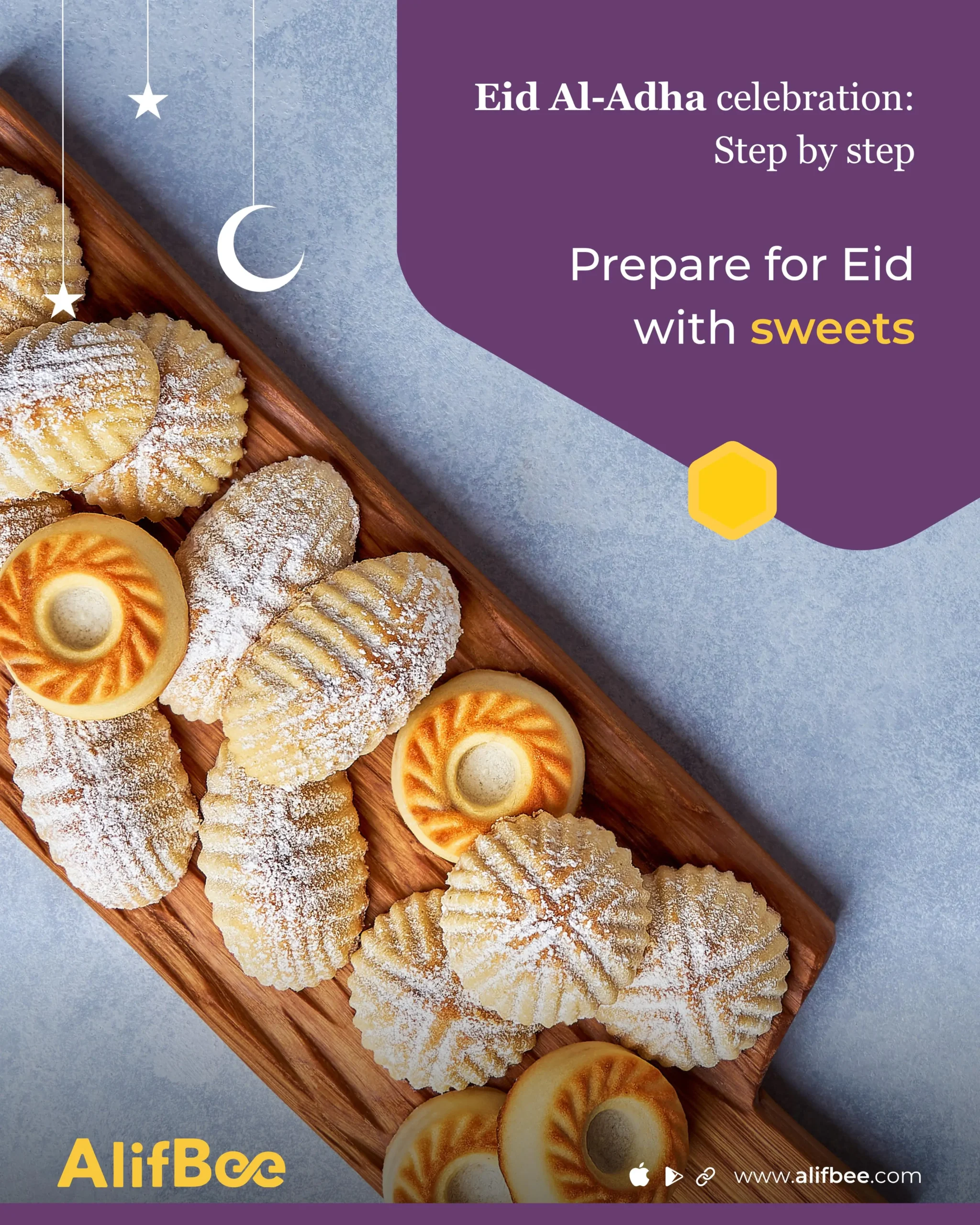
Prepare for Eid with sweets
Many families start preparing for Eid a few days earlier by making sweets at home, such as ma’moul and date-filled pastries. This beautiful tradition brings families together and creates a warm, festive mood before Eid begins.
Buy new clothes
Part of preparing for Eid Al-Adha is shopping for new clothes to wear on Eid day. Wearing clean, beautiful clothes is a common way to show joy, express respect for the occasion, and welcome the holiday with a fresh spirit.
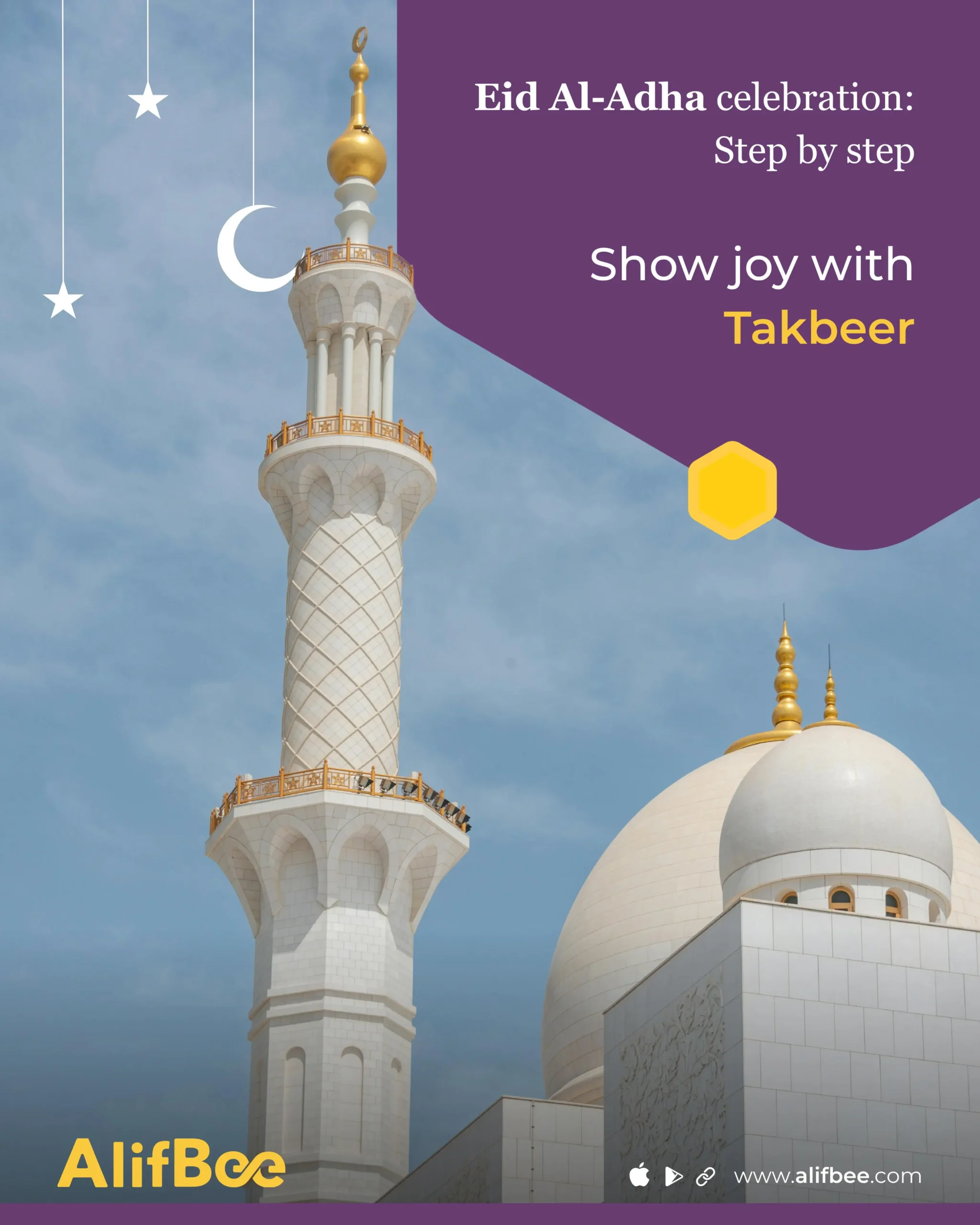
Show joy with Takbeer
Muslims repeat the Eid Takbeer, or Takbeerat, during the days of Eid. These phrases glorify Allah and remind Muslims of the meaning of the holiday. You may hear Takbeer at home, in mosques, on the way to Eid prayer, or in public spaces in Muslim communities.
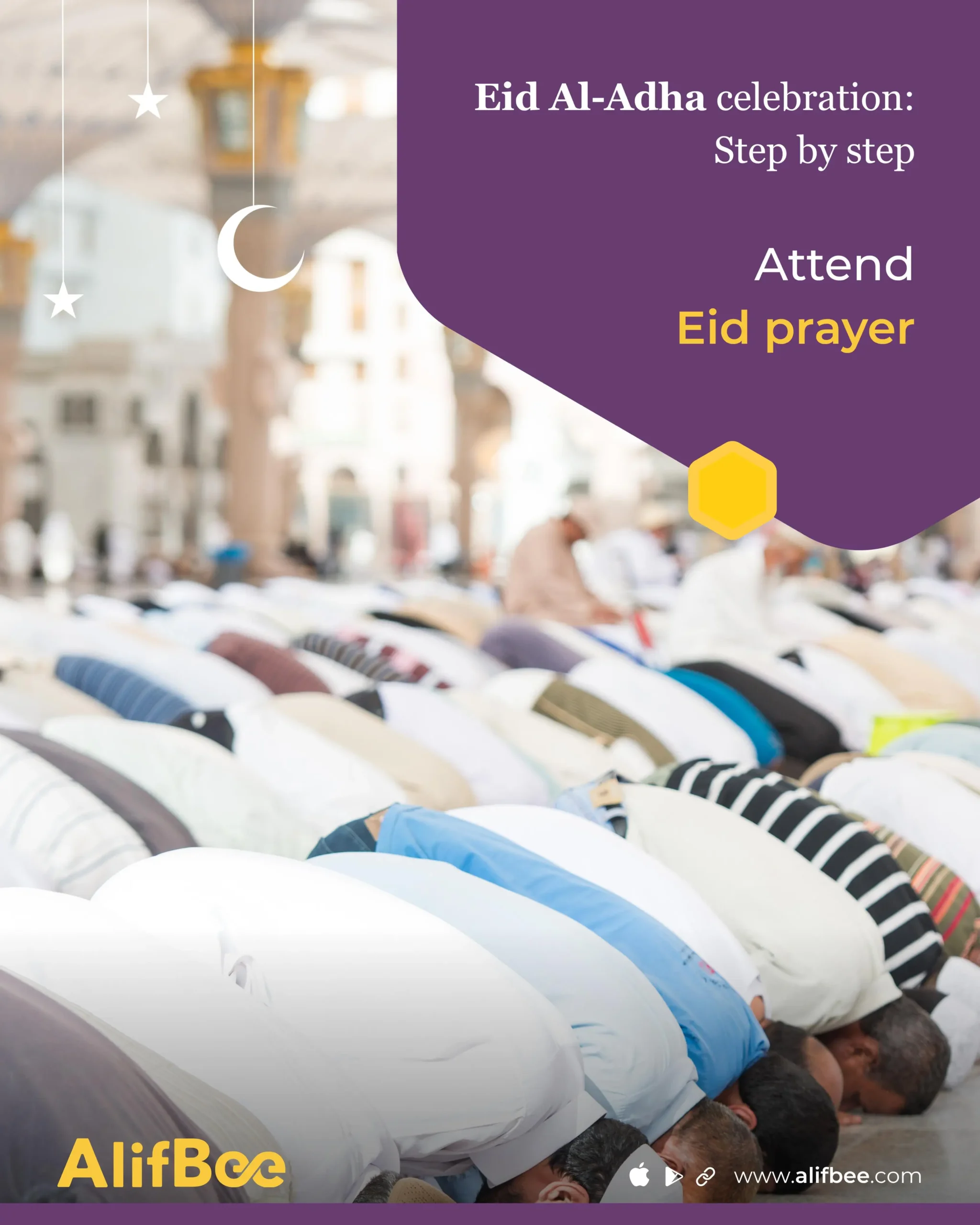
Attend Eid prayer
People usually go to a nearby mosque or an open prayer area to attend Eid prayer in the morning. The prayer is one of the most important public moments of Eid. People gather, pray together, listen to the khutbah, and greet one another after the prayer.
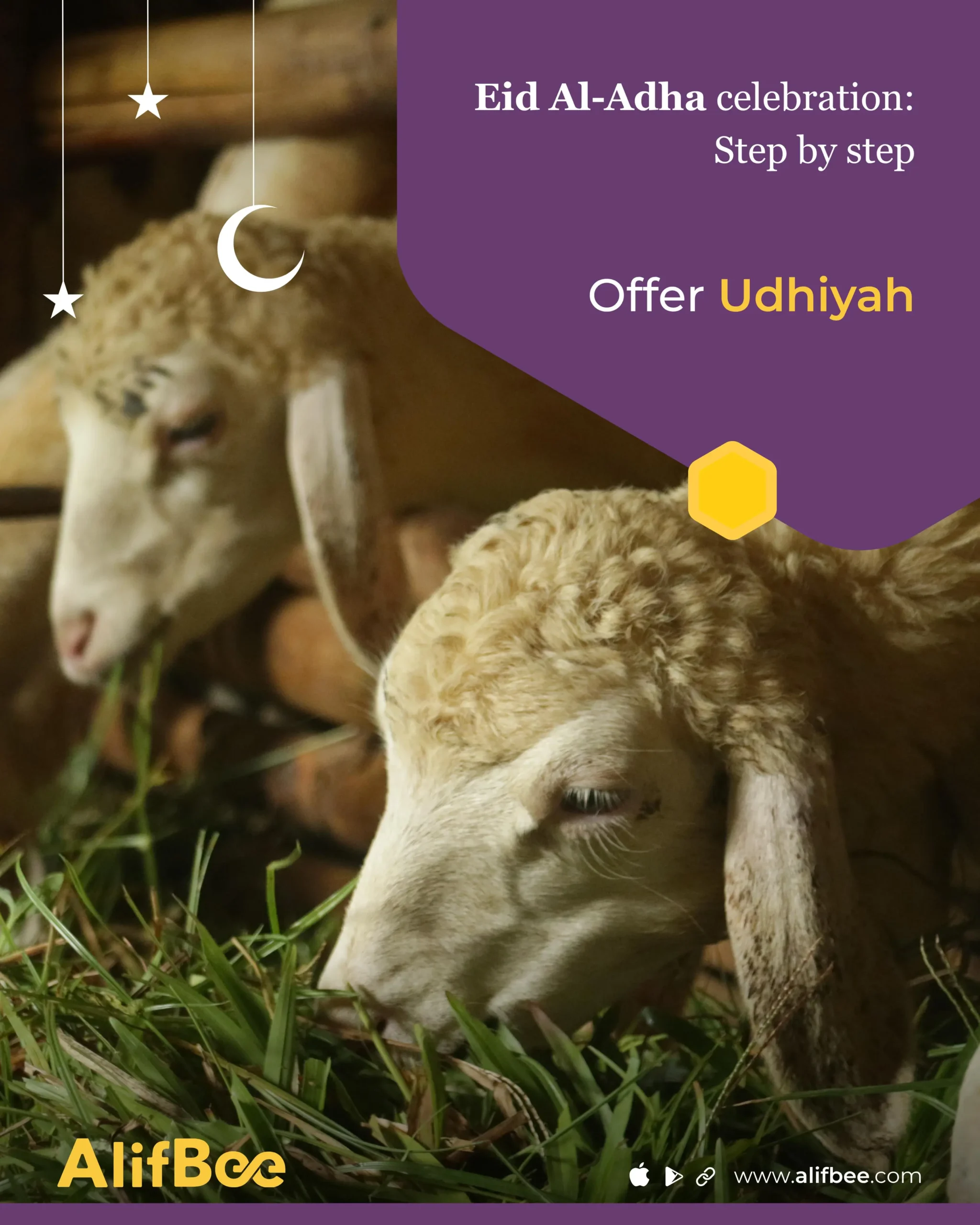
Offer Udhiyah
Those who are financially able offer Udhiyah, also called Qurbani in South Asian English. This is the sacrifice of an animal, such as a sheep, goat, cow, or camel. It reminds Muslims of the story of Prophet Ibrahim and his obedience to Allah. The meat is then shared with family members, neighbors, and people in need.
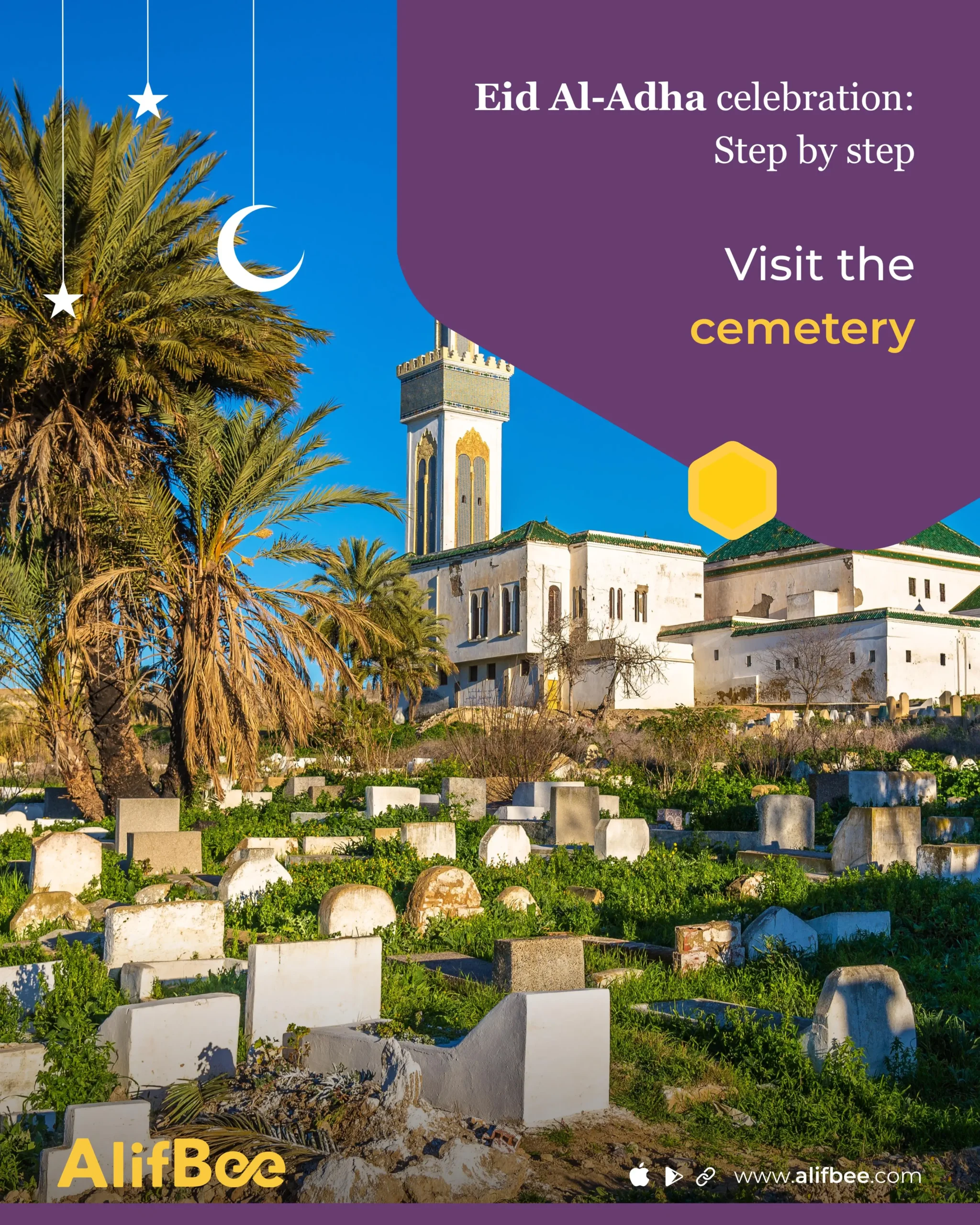
Visit the cemetery
In some Arab and Muslim communities, like in Egypt, Syria, and Turkey, people visit the graves of deceased relatives during Eid. They may recite verses from the Quran and make dua for them.
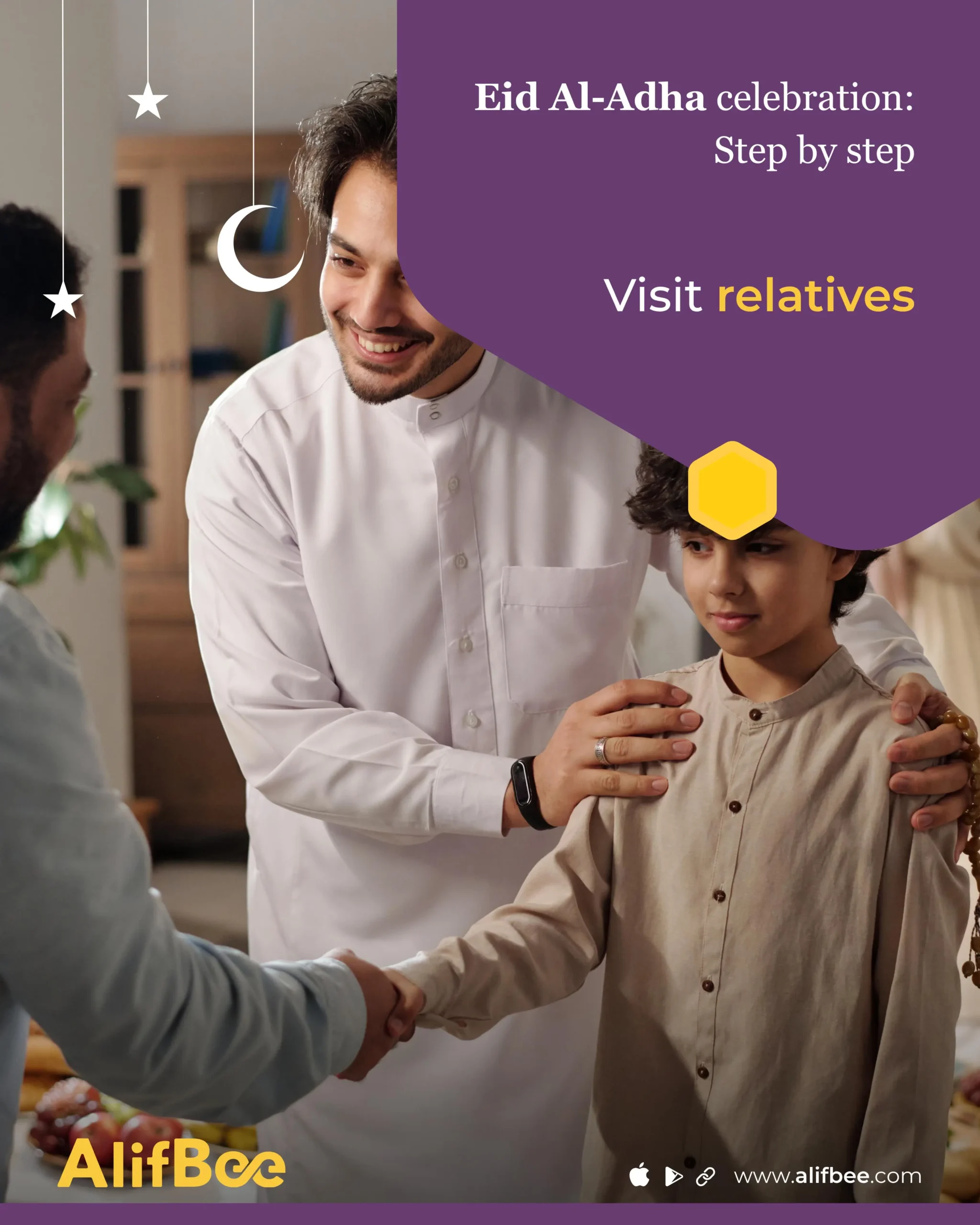
Visit relatives
A major part of Eid joy is sharing it with relatives and friends. Families visit one another, serve sweets, exchange Eid greetings, and spend time together. These visits strengthen family ties and make Eid feel more joyful and social.
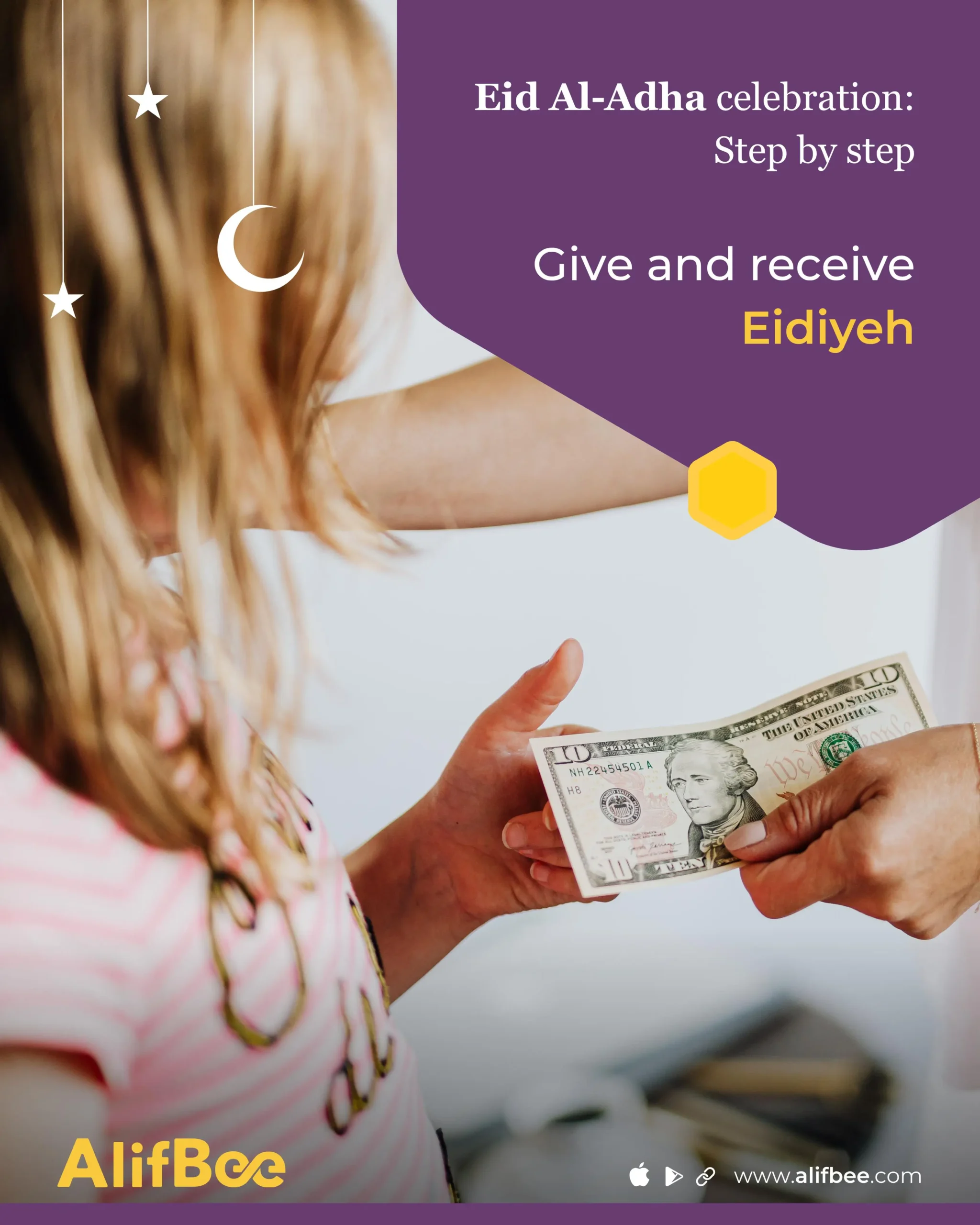
Give and receive Eidiyeh
In many families, younger relatives receive Eidiyeh, which is money given as an Eid gift by parents, grandparents, uncles, aunts, or older relatives. This tradition adds a cheerful and generous spirit to the holiday.
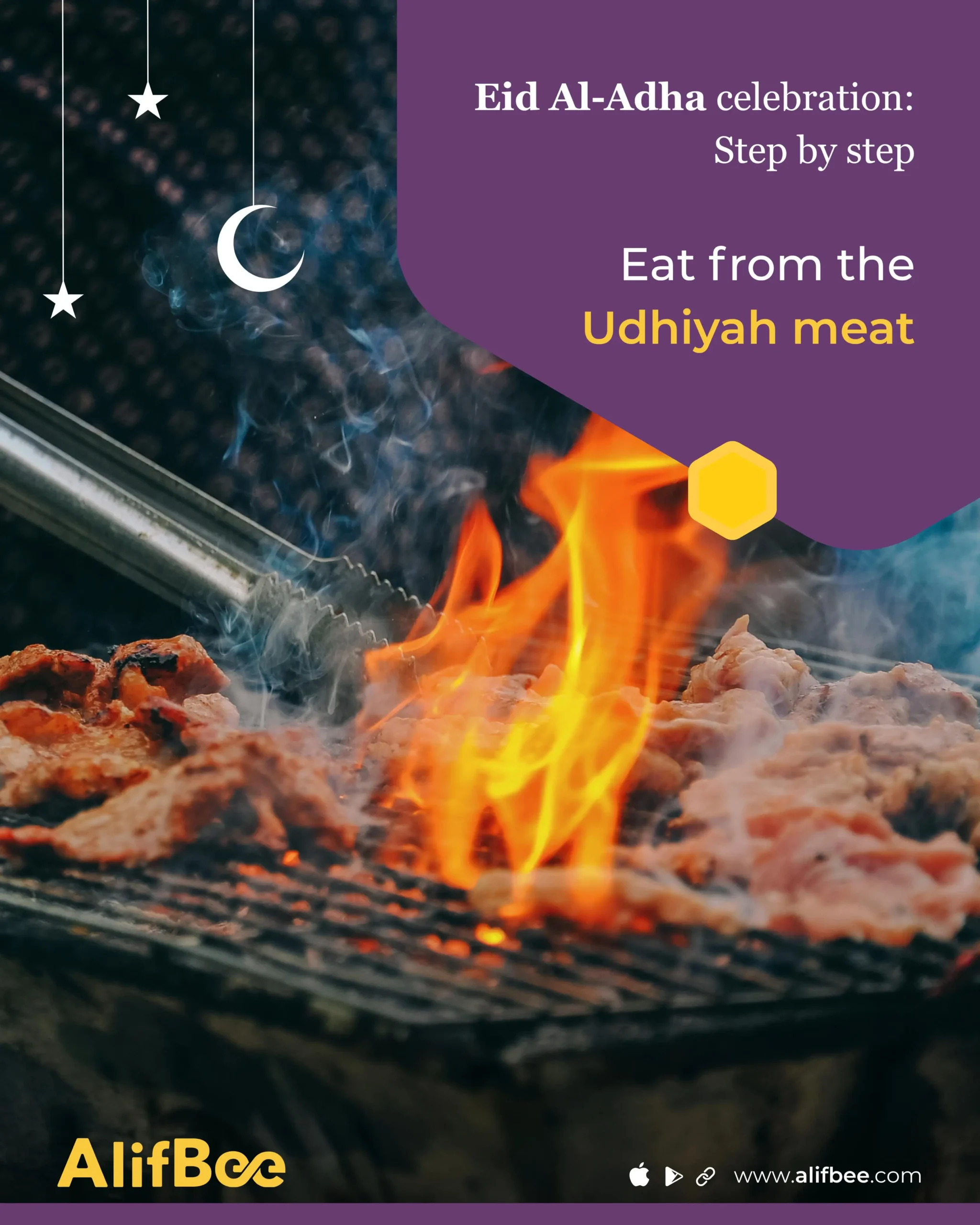
Eat from the Udhiyah meat
Many families cook a special meal using meat from the Udhiyah. Common dishes may include kebabs, mansaf, biryani, or other family favorites. Sharing food is an essential part of Eid Al-Adha and reflects the values of gratitude, generosity, and community.
Arabic Words from Eid Al-Adha Celebration
These are easy Arabic words and phrases that will help expand your vocabulary:
| Meaning | Pronunciation | Arabic | |
|---|---|---|---|
|
Eid Al-Adha: The Festival of Sacrifice |
ʿīd al-aḍḥā |
عِيدُ الأَضحَى |
|
|
Eid Kabeer (Big Eid) Another name for Eid Al-Adha |
al-ʿīd al-kabīr |
العِيدُ الكَبير |
|
|
Eid Mubarak |
ʿīd mubārak |
عيدٌ مُبارَك |
|
|
May you be well every year |
kullu ʿāmin wa-antum bi-khayr |
كُلُّ عامٍ وَأَنتُم بِخَير |
|
|
Eid Prayer |
ṣalāt al-ʿīd |
صَلاةُ العِيد |
|
|
Eid Takbeer |
takbīrāt al-ʿīd |
تَكبيراتُ العِيد |
|
|
Ma’moul Traditional Eid cookies filled with dates, nuts, or pistachios |
maʿmūl |
مَعمُول |
|
|
Udhiyah Animal Sacrifice |
uḍḥiyah |
أُضحِيَة |
|
|
Sheep |
kharūf |
خَرُوف |
|
|
Meat |
laḥm |
لَحم |
|
|
Sweets |
ḥalawiyyāt |
حَلَويّات |
|
|
Eidiyah money gift |
ʿīdiyyah |
عِيديّة |
|
|
Visiting relatives |
ziyārat al-aqārib |
زيارَةُ الأَقارِب |
|
|
New clothes |
malābis jadīdah |
مَلابِسُ جَديدة |
|
To learn more words and phrases, download the AlifBee App.
Review How Is Eid Al-Adha Celebrated?

How Eid Al-Adha Connects to Hajj
Eid Al-Adha takes place during the Hajj season and coincides with important Hajj rituals. Pilgrims are in and around Mecca during these days, while Muslims around the world celebrate Eid in their own communities.
For Eid-related expressions, see AlifBee’s phrase guide: Eid Al-Adha: 31 Useful Arabic Phrases for Eid and Hajj
Eid Al-Adha Traditions Around the World
Eid Al-Adha traditions share the same core meaning, but the customs look different from place to place:
In Saudi Arabia, Eid Al-Adha feels closely connected to Hajj because the holiday comes during the final days of the pilgrimage. In Makkah and Madinah, the atmosphere is especially spiritual, with pilgrims, prayers, and sacrifice all connected in one season. In many Saudi homes, families gather to enjoy meat and rice dishes such as kabsa, and Eid visits continue throughout the holiday.
In Egypt, Eid Al-Adha is often called “Eid Al-Kebir,” meaning “the Big Eid.” Families attend Eid prayer, exchange greetings, and prepare rich meat dishes. One of the most familiar Eid dishes in Egypt is fatteh, made with rice, bread, meat, and a garlicky tomato sauce. Streets and homes may feel busier than usual as people visit relatives and share meat with family, neighbors, and people in need.
In Jordan and Palestine, family visits are central to the holiday. Homes often welcome guests with Arabic coffee, sweets, and warm Eid greetings. In Jordan, mansaf is one of the most famous dishes served during celebrations. It is made with lamb, rice, and jameed, a dried yogurt sauce, and is strongly associated with hospitality and major social occasions.
In Syria and Lebanon, sweets such as ma’moul and ka’ak are a familiar part of Eid hospitality. Families may prepare them before Eid or buy them from bakeries to serve to guests during visits. The table usually includes meat dishes as well, but the social side of Eid is just as important: visiting relatives, calling loved ones, and keeping family ties strong.
In Morocco, Eid Al-Adha is widely known as “Eid Al-Kbir.” Sheep are highly visible in the days before Eid, and many families prepare special dishes from different parts of the sacrificed animal. One well-known Moroccan Eid dish is boulfaf, made with grilled liver wrapped in fat. Families may also prepare lamb with couscous or other regional dishes. Like many Eid traditions, the details can differ from one city or family to another.
In the Gulf countries, such as the UAE, Qatar, Kuwait, Bahrain, and Oman, Eid often combines family gatherings with public celebrations. People wear new clothes, exchange greetings, visit relatives, and prepare traditional dishes. In the UAE, harees is one dish commonly associated with Eid and special occasions. In Oman, Eid may include local dishes such as shuwa, a slow-cooked meat dish prepared for large family gatherings.
In Tunisia and other North African countries, Eid Al-Adha is also closely connected to family meals and the sharing of meat. Some families prepare dishes from different parts of the animal, including bouzelouf, a traditional dish made from sheep’s head. While this may sound unusual to some Arabic learners, it shows how deeply local food culture shapes the way Eid is experienced from one region to another.
So, while the heart of Eid Al-Adha remains the same, the celebration includes many beautiful local traditions.
Final word
Eid Al-Adha is celebrated with many traditions that bring joy and generosity to every home. Some are spiritual, like Eid prayer, Takbeer, and Udhiyah. Others are simple and warm: sweets on the table, relatives visiting, new clothes, and special meals shared with family.
For Arabic learners, these traditions also make the language feel alive. Words like Takbeer, Udhiyah, Eid Mubarak, and Eidiyeh are not just words to memorize. They belong to real moments, real homes, and a celebration that people look forward to every year.
Learn with AlifBee
Want to understand the Arabic words you hear during Eid, Hajj, and other Islamic occasions? Explore guided lessons in the AlifBee app and practice Arabic pronunciation, vocabulary, and useful expressions step by step.
FAQs
How is Eid Al-Adha celebrated?
Eid Al-Adha is celebrated with takbeer, Eid prayer, qurbani (udhiyah), meat sharing, charity, family visits, meals, and greetings. Many Muslims wear new or their best clothes and spend time with relatives and friends. The order and customs can vary, but worship, gratitude, sacrifice, and generosity remain central.
What is qurbani or udhiyah?
Qurbani and uḍḥiyah both refer to the sacrifice offered during Eid Al-Adha by those who are able. Qurbani is commonly used in South Asian English, while uḍḥiyah is the Arabic term. Specific rules may vary, so detailed religious questions should be directed to qualified scholars or local religious authorities.
When is Eid Al-Adha celebrated?
Eid Al-Adha falls on the 10th of Dhū al-Ḥijjah, the last month of the Islamic calendar and the month of Hajj. Since the Islamic calendar is lunar, the Gregorian date changes every year. Local moon sightings and official announcements may also lead to differences in dates between countries.
How many days is Eid Al-Adha?
Eid Al-Adha is usually celebrated for three to four days. The first day begins on the 10th of Dhū al-Ḥijjah, and the celebration continues through the following Days of Tashreeq. Public holidays and local practices vary by country, so schedules may differ.
What do Muslims say on Eid Al-Adha?
A common greeting is Eid Mubarak, which means “Blessed Eid.” Some Muslims also say taqabbala Allāhu minnā wa minkum, meaning “May Allah accept from us and from you.” Greetings vary by country, language, and family traditions.