Arabic Language
Arabic Girl Names: Meanings, Origins, and Popular Choices
Explore popular Arabic girl names with meanings, origins, Arabic spelling, pronunciation, and learner-friendly notes.

Explore popular Arabic girl names with meanings, origins, Arabic spelling, pronunciation, and learner-friendly notes.
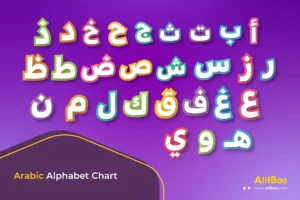
Use this Arabic alphabet chart with pronunciation to learn all 28 Arabic letters, their sounds, English cues, and beginner tips for reading Arabic.
Learn heartfelt Islamic New Year wishes and greetings in Arabic with pronunciation, meanings, and respectful phrases for Hijri New Year, Muharram, messages, blessings and cards.
Learn how to say beautiful in Arabic with jamīl and jamīlah, examples, gender rules, synonyms, dialect words, and famous Arabic expressions.
How is Eid Al-Adha Celebrated? Learn all about Eid Al-Adha celebrations from Eid prayer, Eid takbeer, family visits, to Udhiya and food sharing. Learn key related words in Arabic.

Learn Eid Takbeer in Arabic with full text, pronunciation, meaning, and simple notes for Arabic learners.

Learn the best dua for Day of Arafah in Arabic, with pronunciation, English meaning, word-by-word explanation, and pronunciation tips for learners.
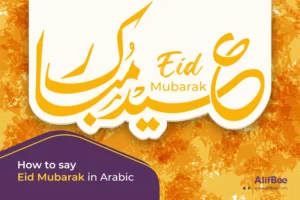
Learn how to say “Eid Mubarak” in Arabic, it’s meaning, pronunciation and other common Eid greetings used across the Arab world. Includes examples, responses and cultural context for Arabic learners.
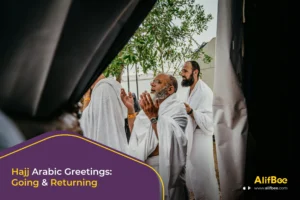
Learn what to say to someone going to Hajj or returning from Hajj in Arabic, with simple phrases, pronunciation, meaning, and respectful usage notes.
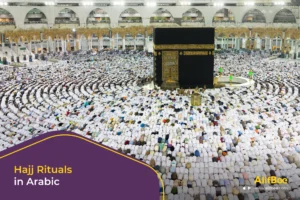
Learn Hajj rituals in Arabic with clear step-by-step vocabulary, pronunciation, and meanings for beginners, from ihram and tawaf to Arafah and Mina.
Want to learn body parts in Arabic? This beginner-friendly guide covers everything from head to toe with tables, pronunciation tips, and grammar insights. Start learning with AlifBee today!
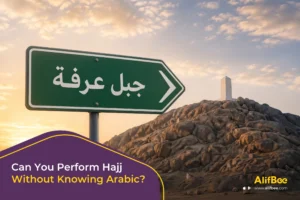
Can you perform Hajj without knowing Arabic? Learn what Arabic helps with, which Hajj words matter most, and how to prepare with simple phrases before you go.